Introduction: The Evolution of Commercial Interior Branding
Commercial interior branding solutions have evolved from framed posters and wallpaper to integrated systems that turn entire surfaces into media. Traditional vinyl wraps and panels brought scale, but also seams, peeling, glare, and maintenance headaches—especially in high-traffic spaces. Teams now expect custom wall graphics that install fast, perform under daily wear, and can be updated without construction or long lead times.
Direct to wall printing is the next step in that shift. Instead of fabricating and shipping materials, high-resolution imagery is printed directly to finished or unfinished walls—no vinyl, no adhesives, no panel seams. The result is architectural scale murals that look built-in, deliver crisp detail, and remain paint-over-ready when programs, tenants, or campaigns change.
This approach unlocks measurable advantages over vinyl wrap alternatives and wallpaper:
- Speed and certainty: on-site production in occupied buildings, often under five hours.
- Fewer errors: no panels to misalign; on-site printing eliminates shipping delays and fabrication mistakes.
- Consistency at scale: reliable color across multi-location rollouts and full campuses.
- Broad surface compatibility: drywall, CMU, concrete, and brick without extra substrates.
- Lifecycle efficiency: durable, cleanable graphics reduce replacements and total cost.
- Sustainability: adhesive-free process cuts plastic waste and disposal issues.
Consider practical scenarios. A hospital replaces cluttered plaques with integrated wayfinding and safety cues printed right on corridor walls—readable, cleanable, and compliant without hardware. A university executes a campus-wide refresh before move-in, then rotates donor recognition and event messaging via a subscription model. A retail brand deploys seasonal high resolution wall art overnight, maintaining open hours while upgrading the environment.
EastCoast MuralPros brings these capabilities to operations, facilities, and brand teams that need reliable execution at scale. The company’s direct-to-wall printing delivers seam-free, high-definition results, low-disruption installs, and consistent outcomes across national programs, with in-studio options for doors, tables, and standees to complete the experience. For workplace leaders exploring how the office itself communicates brand, see this perspective on corporate branding through office space.
Evaluating Top Commercial Interior Branding Methods
Choosing among commercial interior branding solutions comes down to speed, durability, scalability, and the quality of the finished look. Teams need graphics that install fast, hold up in high-traffic areas, and maintain color accuracy across dozens or hundreds of locations. Lifecycle cost and sustainability now matter as much as visual impact.
Vinyl wraps and commercial wallpaper are familiar, but seams, bubbling, and edge failure make them risky in corridors, lobbies, and humid environments. Adhesives struggle on textured CMU and brick, and replacing panels during brand refreshes generates waste and downtime. Operations-led teams often start here, then look for vinyl wrap alternatives when maintenance and rework stack up.
Hand-painted murals bring craftsmanship, yet timelines, artist availability, and repeatability are pain points for multi-site rollouts. Panel systems and SEG frames are modular, but add thickness, edges, and cleaning challenges, and can clutter wayfinding. Digital displays offer dynamic content but require power, capital expense, and ongoing maintenance—better for focal zones than full walls. None deliver seam-free, high resolution wall art at architectural scale without added material layers.
Direct to wall printing addresses those gaps by jetting UV-curable inks straight onto finished or unfinished surfaces—no vinyl, adhesives, or panel seams. EastCoast MuralPros prints photoreal custom wall graphics on drywall, concrete, CMU, and brick with low disruption, often completing zones in under five hours. For teams prioritizing sustainability and PVC-free specifications, explore their sustainable wall printing options.
- Seam-free architectural scale murals with crisp detail and consistent brand color
- Durable, cleanable surfaces designed for high-traffic environments
- On-site production that eliminates shipping, panels, and fabrication risk
- Predictable execution for campus-wide and national rollouts
- Paint-over-ready finishes to simplify future tenant or program changes
Consider two common scenarios. A hospital corridor needs integrated wayfinding and safety graphics installed overnight without blocking egress; on-site direct printing adds directional icons and room IDs directly to CMU, avoiding plaques and protrusions. A retail brand refreshing 150 stores can schedule crews regionally, achieve identical results in every location, and update seasonal campaigns via a subscription model without removing old material or disrupting trading hours.
The Limitations of Traditional Vinyl Wraps and Wallpaper
When evaluating commercial interior branding solutions, vinyl wraps and wallpaper introduce constraints that become costly and visible at scale. Both rely on adhesives and panel seams, which are vulnerable in high-traffic, high-cleaning environments. They also require extensive surface prep and lengthy install windows that are hard to reconcile with occupied buildings and tight rollout schedules.
- Seams and panelization are hard to hide, especially across long corridors or double-height walls, breaking the illusion of architectural scale murals and making misalignments obvious under raking light.
- Adhesive failure from humidity, thermal cycling, or repeated cleaning leads to edge lift, bubbling, and dirt accumulation—common in lobbies, stairwells, and healthcare corridors.
- Substrate prep is expensive and time-consuming; textured CMU, brick, and unfinished drywall often need skim-coating or priming, and inside corners, reveals, and curved surfaces are frequent failure points.
- Installations disrupt operations with odor, dust, and multi-day cure times for primers and pastes; rework is typical if as-builts are off by even a few inches.
- Lifecycle costs rise because damaged panels are difficult to patch invisibly, removal can tear paint or paper facing off drywall, and replacements create ongoing material and landfill waste.
- Color consistency is hard to maintain across sites and reorders; batch variations, shipping damage, and panel misprints cause uneven results in national programs.
- Cleaning tolerances vary; aggressive disinfectants can mar inks or laminates, and seams trap grime—compromising hygiene and appearance in healthcare and education settings.
In practice, a hospital corridor with rolling carts will scuff panel edges within months, while daily disinfecting accelerates edge lift and haze on protective laminates. Dorm bathrooms and humid stair towers often see wallpaper seams creep or curl, even with premium pastes. Retail chains running a 200-store refresh frequently fight shipping delays, tone shifts between lots, and on-site panel reprints that push past launch windows.
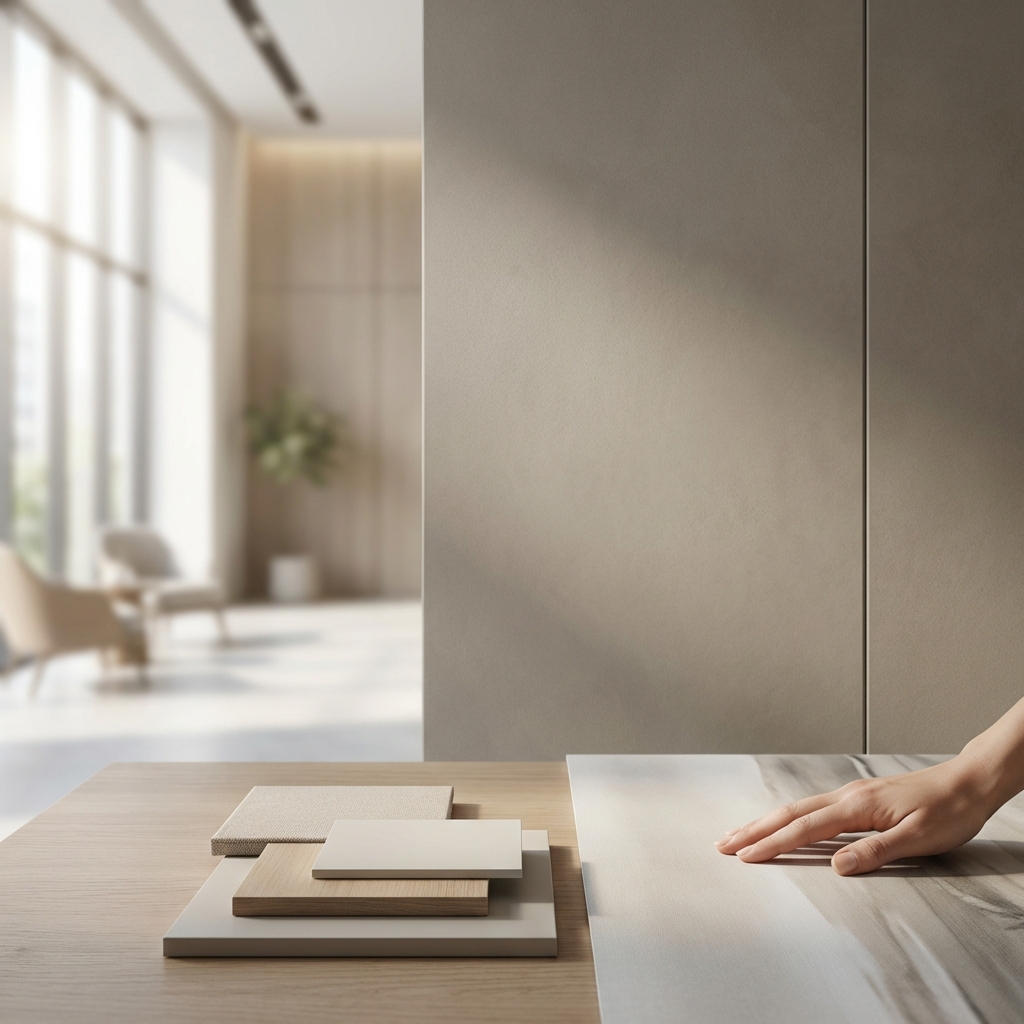
For teams seeking vinyl wrap alternatives, direct to wall printing removes many of these risks by eliminating adhesives, seams, and panel logistics. EastCoast MuralPros prints on-site directly to finished or unfinished surfaces—drywall, CMU, concrete, and brick—with fast, low-disruption installs typically under five hours. The result is durable, cleanable, high resolution wall art and custom wall graphics that read as integrated architecture and scale consistently across multi-location rollouts.
Why Direct-to-Wall Printing is the Superior Choice for Facilities
Facilities teams need commercial interior branding solutions that upgrade spaces quickly without construction, adhesives, or uncertainty. Direct to wall printing places imagery directly onto the substrate—drywall, CMU, concrete, even brick—so there are no panels to seam, no vinyl to bubble, and no off-site fabrication to delay schedules. Because the print head rides the wall itself, installation is low-disruption and often completed in under five hours, even in occupied areas. EastCoast MuralPros brings the equipment on-site, eliminating shipping risks and fit errors that can derail a rollout.
Quality is as critical as speed. Direct-to-wall delivers photoreal, high resolution wall art at architectural scale, producing custom wall graphics that read as part of the building, not as an applique. Seam-free surfaces improve durability and cleanability in high-traffic corridors and lobbies. Integrated wayfinding, safety, and instructional graphics can be printed where they are most effective—on walls, columns, or CMU block—without adding sign clutter.
Key advantages for facility leaders considering vinyl wrap alternatives include:
- Low-disruption installs during off-hours with no adhesives and minimal prep
- Compatibility with finished and unfinished substrates; paint-over-ready for future changes
- Durable, cleanable prints that avoid common vinyl failures like peeling or edge lift
- Lifecycle efficiency: fewer replacements, lower maintenance, and a subscription option for seasonal or strategic refreshes
- Consistency across multi-location and national rollouts with on-site printing and color-managed workflows
- Full-campus implementations for hospitals and schools, including zoned wayfinding and department branding
- Sustainability benefits versus wallpaper and vinyl, with reduced material waste
Real-world use cases span from hospital wings that need rapid, color-coded navigation and infection-control friendly surfaces to K–12 hallways that require mascot murals and behavior signage installed between dismissal and the next morning’s bell. Corporate workplaces can rebrand multi-floor environments overnight, with EastCoast MuralPros coordinating in-studio pieces like doors, tables, and standees to match the on-wall system.
For facilities evaluating performance-based commercial interior branding solutions, EastCoast MuralPros provides direct-to-wall printing that is fast, predictable, and built for scale. The result is architectural scale murals and messaging that look better on day one and are easier to maintain over the long term.
Key Benefits: Durability, Sustainability, and Minimal Business Disruption
For organizations evaluating commercial interior branding solutions, durability and speed are non-negotiable. Direct-to-wall printing delivers seam-free, adhesive-free results that look integrated with the architecture—making it one of the strongest vinyl wrap alternatives for occupied buildings. EastCoast MuralPros brings this capability on site, producing custom wall graphics with crisp, high-resolution detail at architectural scale.
Durability starts with eliminating failure points. With no panels, seams, or adhesive layers to lift, bubble, or collect dirt, these surfaces hold up in high-traffic corridors, patient areas, and student commons. Finishes are cleanable and designed for daily wear, and because the imagery is printed directly to the substrate, colors stay sharp and consistent; when programs or tenants change, walls are simply paint-over-ready.
Sustainability is built into the process. By avoiding vinyl and adhesives, direct to wall printing reduces plastics and backing waste, and on-site production minimizes shipping, packaging, and rework from fabrication errors. The longer lifecycle reduces replacement cycles, and integrated wayfinding or instructional graphics can decrease the need for separate signs and hardware—less material in, less material out.
Minimal disruption is another core advantage. Installations typically complete in under five hours, often scheduled overnight or between shifts, so departments reopen on time and retailers avoid downtime. Compatible with finished and unfinished surfaces—drywall, CMU, concrete, and brick—this approach limits prep work and eliminates long cure times associated with adhesives or wall coverings.
The method also scales predictably for multi-location programs and full-campus implementations. EastCoast MuralPros standardizes color, resolution, and execution across sites, and their subscription model supports seasonal campaigns or phased brand refreshes without construction.
- Hospitals: integrated wayfinding, room identifiers, and safety graphics without signage clutter
- Schools: corridor murals and instructional walls that withstand daily cleaning
- Corporate: branded hubs and privacy walls that update during lease transitions
- Retail: fast-turn campaigns and product storytelling across large feature walls
- Museums and cultural spaces: high resolution wall art and exhibit graphics at architectural scale
Implementation Strategies for Multi-Location and Large Scale Projects
Coordinating commercial interior branding solutions across dozens or hundreds of sites starts with standardization. Establish print, color, and substrate standards that account for the real-world mix of drywall, CMU, concrete, and brick you’ll encounter. With direct to wall printing, you can maintain consistent, seam-free results at architectural scale while avoiding the variables introduced by vinyl wrap alternatives, adhesives, or panel seams.
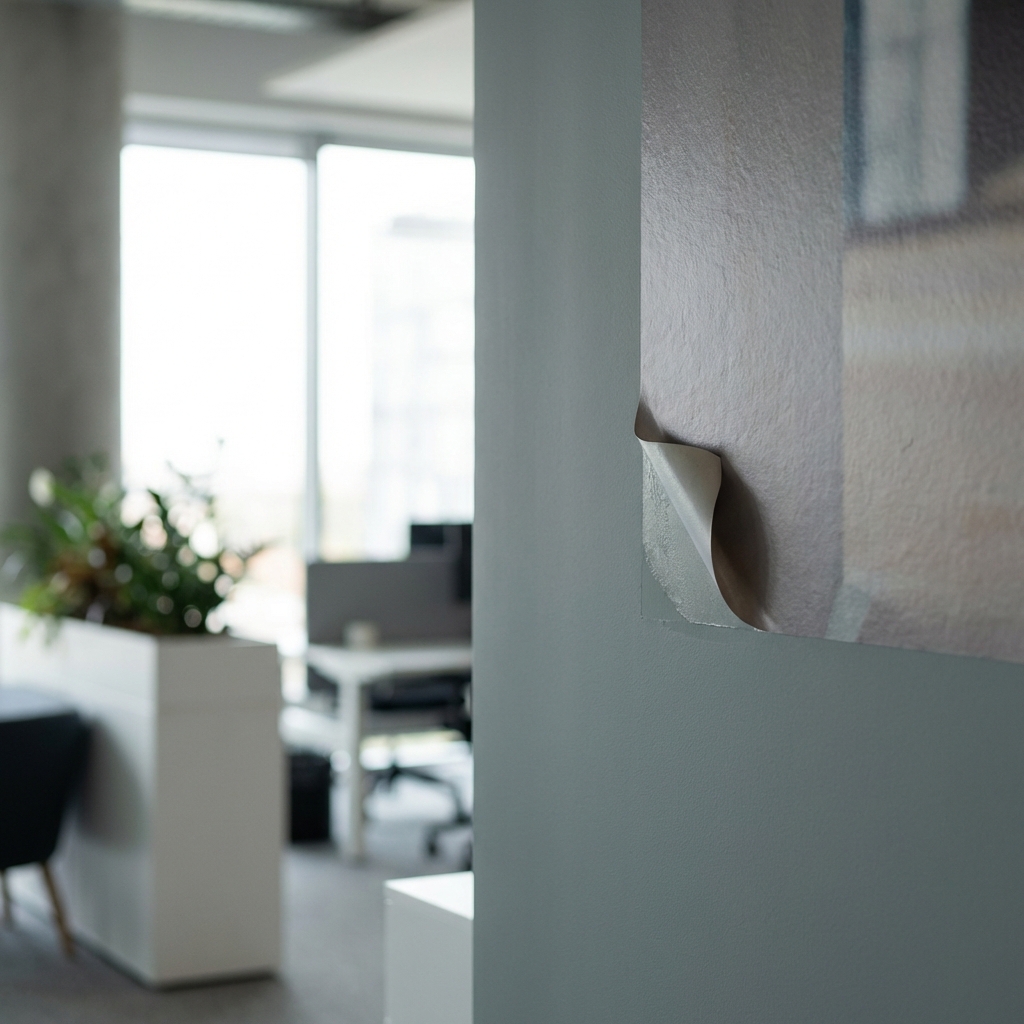
Begin with a multi-site audit that captures surface conditions, dimensions, environmental factors, and downtime windows for each location. Convert this into a master specification: approved color profiles, minimum DPI for high resolution wall art, durability and cleanability requirements, and ADA/OSHA considerations for integrated wayfinding. Centralize assets in a version-controlled artwork library so brand, facilities, and architects work from the same source of truth. EastCoast MuralPros’ team often provides substrate testing and proofing to validate color and detail before a full rollout.
Phase the deployment to reduce risk and accelerate learning:
- Pilot 2–4 representative sites (e.g., a healthcare corridor on CMU, a retail entry on drywall, a university stairwell on brick) to validate custom wall graphics at scale.
- Print in-situ test swatches to check color accuracy, edge fidelity, and cleanability under actual lighting and traffic.
- Finalize production templates with outlet/door clearances, content-safe zones, and any QR-enabled instructional graphics.
- Sequence installation windows by zone (overnight or weekend), targeting sub-5-hour sessions to avoid business disruption.
- Define QA benchmarks (color delta tolerances, photographic documentation, punchlists) and capture as-builts for future refreshes.
At scale, on-site printing eliminates shipping delays, damage, and fabrication rework, enabling region-by-region rollouts with predictable crews and schedules. For example, a hotel brand can refresh elevator lobbies across 80 locations by grouping properties into weekly clusters, while a K–12 district can complete architectural scale murals and wayfinding during a summer break. Subscription refreshes keep messages and imagery current without construction or strip-and-replace cycles.
Finally, plan for lifecycle efficiency. Specify paint-over-ready finishes for future tenant or program changes, along with cleaning protocols for high-traffic zones. Align procurement to performance metrics—durability, uptime, and total cost over replacement cycles—rather than material-only comparisons. EastCoast MuralPros supports this with consistent execution on national rollouts and full-campus solutions that blend branding, safety, and instructional graphics without signage clutter.
Conclusion: Choosing a Modern Approach to Institutional Branding
Modern commercial interior branding solutions should deliver speed, reliability, and design-quality without the headaches of adhesives, seams, or long shutdowns. In high-traffic corridors, patient areas, or retail floors where vinyl tends to peel, bubble, or scuff, direct to wall printing stands out as a clear vinyl wrap alternative. It integrates graphics into the architecture, preserves clean lines, and provides a consistent surface that facilities teams can maintain.
A modern approach means putting high resolution wall art and architectural scale murals directly on drywall, CMU, concrete, or brick—finished or unfinished—without panels or wallpaper. Installations are typically completed in under five hours per wall, so operations continue with minimal disruption in occupied buildings. When programs change, paint-over-ready finishes streamline turnover without demolition or waste.
The impact is tangible across sectors. Hospitals can integrate wayfinding, safety, and instructional graphics as part of the walls, reducing visual clutter while improving navigation. School districts can refresh hallways for seasonal campaigns, donor recognition, or curriculum storytelling, then roll into the next theme on a subscription cadence. Corporate workplace teams can execute brand standards across multiple offices with consistent color and resolution, while retail chains reduce risk by eliminating shipping and fabrication delays.
Choose direct to wall printing when you need:
- Seam-free custom wall graphics at architectural scale without vinyl seams or adhesive failure
- Low-disruption work during business hours in active clinics, classrooms, or offices
- Predictable, repeatable quality for multi-location rollouts and national programs
- Lifecycle efficiency through durable, cleanable surfaces that can be quickly painted over
- Measurable sustainability gains versus wallpaper and vinyl wrap alternatives
EastCoast MuralPros brings a performance-focused model to this category, combining on-site printing for large walls with in-studio production for doors, tables, and standees. Their process supports digital artists and design teams with collaborative tools, then delivers photoreal output on the wall with crisp detail and color fidelity. For institutions managing multiple facilities, they offer subscription options to schedule seasonal or strategic refreshes and keep environments current.
For teams evaluating commercial interior branding solutions, adopting direct to wall printing reduces downtime, cuts lifecycle costs, and elevates the visual standard. EastCoast MuralPros provides a reliable, scalable path to high quality results—fast—and a future-ready alternative to vinyl and wallpaper.
Call to Action
Contact us to learn more