
Introduction: The Evolution of Commercial Interior Branding and Safety
Commercial interiors are now expected to do more than display a logo. They must perform under code, stand up to constant cleaning, and still look flawless at scale—all without disrupting operations. Traditional vinyl and wallpaper struggle here: seams trap grime, adhesives fail, and replacements are costly. Advances in direct-to-wall printing now enable hygienic, code-conscious visuals that read as durable commercial wall finishes rather than temporary graphics.
Antimicrobial wall printing services add a critical layer of protection in sensitive environments. By printing directly to the substrate and sealing with antimicrobial topcoats, graphics become easier to sanitize and less likely to harbor dirt at seams or edges. These hygienic wall branding solutions are engineered to withstand routine cleaning protocols, including hospital-grade disinfectants, without ghosting or edge lift. Think patient corridors, school cafeterias, and stadium concourses where high-traffic wall graphics must stay pristine.
Safety compliance is equally central. Fire-rated interior graphics can be specified to support common code requirements in corridors, egress paths, and elevator lobbies—areas where flame spread and smoke development ratings matter. Because the image layer is integrated with the wall, you can deliver large-format wayfinding, safety messaging, and instructional content without signage clutter or added panels. For example, a university can print navigational stripes and room IDs directly on CMU block along primary egress routes.
EastCoast MuralPros helps facilities teams meet these demands with direct-to-wall printing that installs in under five hours, even in occupied buildings. The result is seamless imagery at architectural scale on drywall, concrete, brick, or CMU—cleanable, durable, and paint-over-ready for future tenant or program changes. On-site production eliminates shipping delays and fabrication errors, while a subscription model supports seasonal updates or multi-phase rollouts across campuses and health systems. It’s a lifecycle-efficient alternative to vinyl wall coverings and wallpaper, with a strong sustainability profile through sustainable interior wall printing.
Where this approach excels:
- Healthcare: antimicrobial corridors, nurse station branding, and integrated hand-hygiene reminders.
- Education: color-coded wayfinding and mascot walls that endure daily wear.
- Workplace and hospitality: elevator lobbies, meeting zones, and guest corridors with fire-rated interior graphics.
- Retail and public venues: queue management graphics and instructional walls that clean easily and resist abrasion.
Understanding Fire-Rated Standards for Institutional Wall Finishes
Institutional interiors are governed by strict fire codes because wall finishes can accelerate flame spread and smoke development. For fire-rated interior graphics, the relevant standards classify how a surface behaves in a fire so facilities teams can specify safely without sacrificing branding or wayfinding. The goal is to deliver durable commercial wall finishes that look integrated with the architecture while preserving the building’s fire performance.
Most jurisdictions reference ASTM E84 (also listed as UL 723) to measure surface burning characteristics. Results are expressed as a Flame Spread Index (FSI) and Smoke Developed Index (SDI), with Class A (FSI 0–25, SDI ≤450) typically required in corridors, egress routes, healthcare spaces, and many education facilities. Class B and C are used in less restrictive areas, but high-traffic wall graphics in hospitals, schools, and hotels often need Class A. Some applications trigger NFPA 286 “room corner” testing, especially where thicker coverings or composite systems are used.
Direct-to-wall printing changes the equation because the “finish” is the wall substrate plus ink and any clear coat—no vinyl, liners, or pressure-sensitive adhesives. Adhesive-backed films add fuel load, can alter a substrate’s rating, and may require additional testing. Adhesive-free, on-site printing minimizes added material and is often specified to maintain a rated substrate’s classification when paired with compatible coatings. EastCoast MuralPros works with architects and AHJs to align substrates (drywall, CMU, concrete, brick) and finish systems with applicable E84/NFPA requirements and can provide documentation during submittals.
Hygiene is another driver in institutional environments. Many facilities pair code-compliant finishes with hygienic wall branding solutions that withstand hospital-grade cleaning. Antimicrobial wall printing services typically involve compatible topcoats or maintenance protocols that discourage microbial growth without compromising fire performance; EastCoast MuralPros prioritizes cleanable, low-disruption systems and can coordinate specified sealants when required by the project team.
When evaluating vendors, ask for a code-focused submittal package that includes:
- ASTM E84/UL 723 test reports for the complete finish system (ink and clear coat on representative substrates)
- Any NFPA 286 data if a thicker or composite assembly is proposed
- SDI/FSI classifications and limitations by occupancy and location (per IBC/NFPA 101)
- Chemical resistance and scrub durability data relevant to healthcare cleaning
- Installation method detailing to confirm no added adhesives or panels
Beyond compliance, sustainable interior wall printing reduces PVC, adhesives, and shipping, cutting waste and risk while improving schedule certainty. EastCoast MuralPros’ on-site process produces seam-free, high-resolution results for commercial interior branding across multi-location portfolios, with consistent execution and minimal disruption. The outcome is code-conscious, operations-friendly graphics that can be refreshed on a predictable lifecycle.
The Benefits of Antimicrobial Properties in High-Traffic Environments
High-traffic interiors need finishes that stay cleaner longer without adding maintenance burden. Antimicrobial wall printing services add a protective clear coat that inhibits the growth of odor- and stain-causing microbes on the surface, helping environments look and smell fresh between routine cleanings. This is especially valuable in corridors, lobbies, waiting areas, cafeterias, and restrooms where hands and bags constantly brush the walls.
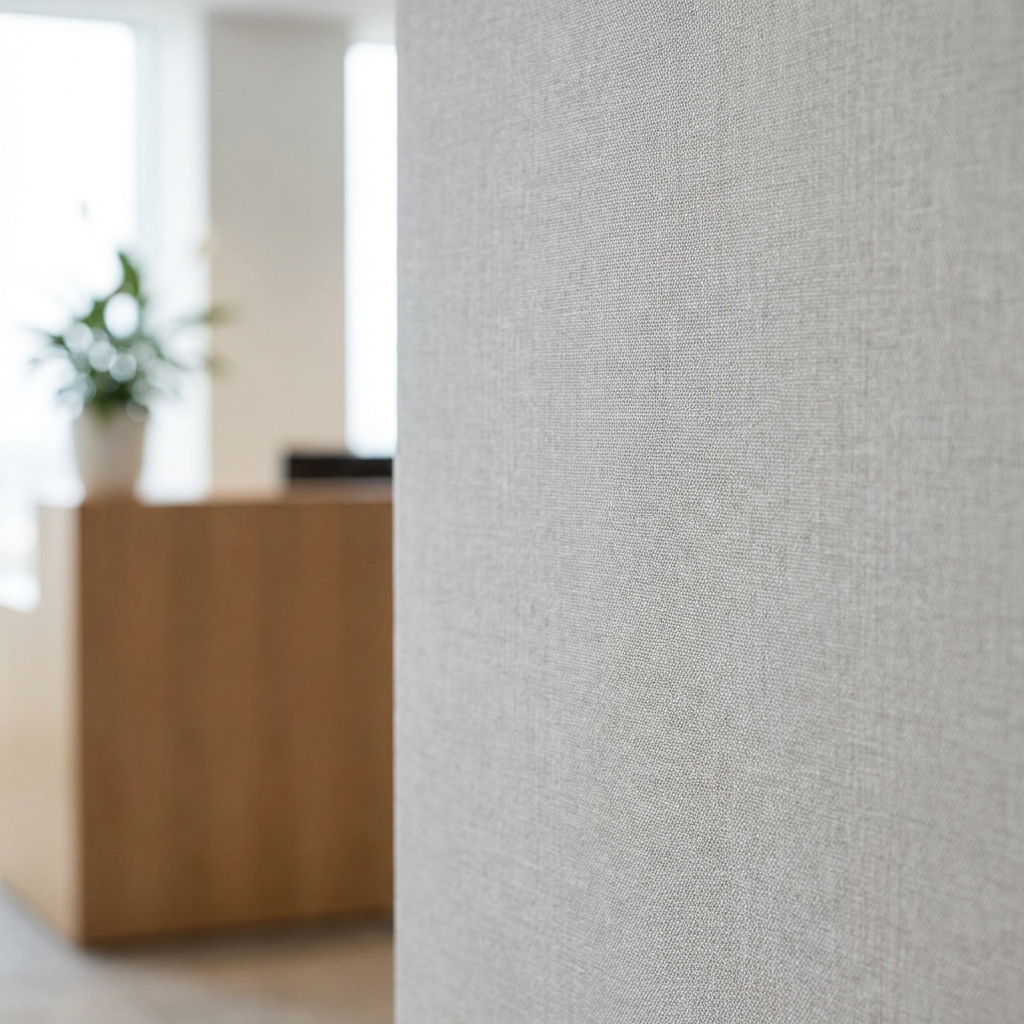
Because the technology is applied directly to the wall, there are no vinyl seams, edges, or adhesive layers where grime can accumulate. Silver-ion or similar antimicrobial additives in the clear coat work continuously at the surface, unlike films that can peel or bubble. The result is hygienic wall branding solutions that feel integrated with the architecture and are easier to keep presentable.
Cleanability is where the operational gains show up. These durable commercial wall finishes are engineered to tolerate frequent wipe-downs with common disinfectants without ghosting or color loss, making them a fit for healthcare, education, and food-service settings. While not a substitute for standard cleaning protocols, antimicrobial protection helps maintain appearance between disinfection cycles and reduces the risk of surface degradation from over-scrubbing.
Safety and compliance can be addressed simultaneously. When specified with fire-rated interior graphics systems (e.g., Class A per ASTM E84), direct-to-wall murals can be used in egress corridors and other code-sensitive zones without resorting to combustible vinyl. Teams can combine wayfinding, instructional graphics, and brand elements into high-traffic wall graphics that support safety and reduce signage clutter.
EastCoast MuralPros delivers these benefits with low disruption: on-site printing typically completes in under five hours per zone, with clean, odor-minimized workflows suitable for occupied buildings. The process is compatible with drywall, CMU, concrete, and brick, enabling consistent execution across multi-location rollouts. Surfaces are durable and cleanable, yet paint-over-ready for future tenant or program changes.
There’s also a sustainability upside. Eliminating vinyl and adhesives reduces plastic waste, off-gassing, and shipping-related fabrication errors. Longer service life and simpler refreshes make sustainable interior wall printing a lifecycle-efficient alternative to wallpaper and panel systems.
Where antimicrobial direct-to-wall printing adds the most value:
- Hospitals and clinics: patient corridors, nurses’ stations, waiting rooms
- K–12 and higher ed: classroom wings, cafeterias, athletic facilities
- Hospitality and retail: back-of-house routes, checkout lanes, fitting areas
- Transit and public buildings: concourses, security lines, restrooms
Procurement and facilities teams partner with EastCoast MuralPros to standardize specifications—antimicrobial and, when required, fire-rated—so every site gets the same performance, cleanability, and brand fidelity.
Direct-to-Wall Printing vs. Traditional Vinyl: A Durability Comparison
Vinyl wall coverings rely on adhesives and seams, which are the first points of failure in busy environments—edges lift, seams telegraph, and bubbles appear as humidity and cleaning cycles take their toll. Direct-to-wall printing fuses imagery to the prepared surface itself, creating a monolithic graphic that won’t delaminate or peel. The result is a finish that tolerates substrate irregularities (drywall, CMU, concrete, brick) without the seam density and maintenance headaches common to rolled goods.
For healthcare, education, and food-service interiors, cleaning durability and hygiene are just as critical as appearance. Antimicrobial wall printing services from EastCoast MuralPros can be specified with antimicrobial clear coats and hospital-grade cleanability, reducing microbe-harboring seams while supporting frequent disinfecting protocols. Compared to vinyl, which can trap contaminants at overlaps and edges, these hygienic wall branding solutions present a smooth, continuous surface that resists abrasion from carts, backpacks, and daily wipe-downs.
Many facilities also need code-compliant performance. Where required, direct-to-wall systems can be engineered as fire-rated interior graphics, with documentation to relevant standards (e.g., ASTM E84) when applied over compliant substrates and specified accordingly. EastCoast MuralPros coordinates submittals with facilities and AHJs, helping architects and owners meet life-safety requirements without defaulting to PVC-based wallcoverings.
Durability in the field comes down to how graphics handle real-world stressors. Direct-to-wall printing provides measurable advantages over vinyl in areas such as:
- Impact and abrasion: No raised seams to catch; UV-cured inks and protective coatings resist scuffs from carts and chairs.
- Moisture and humidity: No adhesive layer to soften or fail; reduced risk of edge lift in locker rooms, lobbies, and stairwells.
- Thermal cycling: Fewer expansion/contraction issues because there’s no film-to-wall interface.
- Cleaning agents: Chemically resilient coatings support routine disinfectants without whitening or puckering along seams.
- Substrate movement: Graphics read as part of the wall, minimizing telegraphing and panelization.
Lifecycle matters, too. Vinyl removals often damage paint and generate PVC and adhesive waste, while a printed wall can be spot-repaired or simply painted over during tenant turnovers—an efficient path to durable commercial wall finishes. EastCoast MuralPros completes most installations in under five hours, delivers consistent high-traffic wall graphics across multi-location rollouts, and offers subscription refreshes to keep messaging current. With on-site production, fewer materials, and longer service life, it’s a sustainable interior wall printing approach that reduces downtime, waste, and total cost of ownership.
Maintenance and Longevity of Advanced Wall Printing Technology
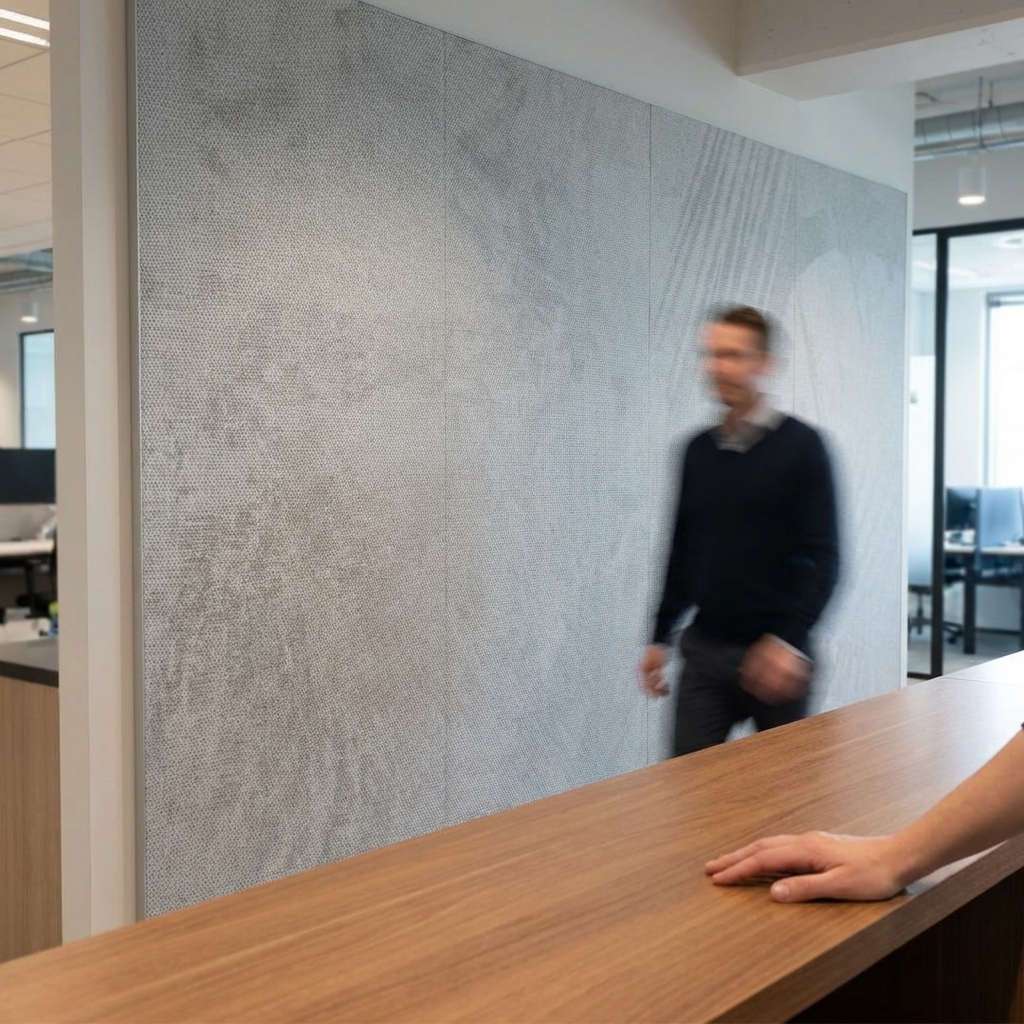
Advanced direct-to-wall systems are engineered for long service life, even in demanding environments. When paired with antimicrobial wall printing services and an appropriate protective topcoat, graphics resist abrasion, routine cleaning, and repeated disinfection without clouding or color shift. EastCoast MuralPros helps facility teams select finishes calibrated to their use case—corridors, patient areas, classrooms, foodservice zones—so visuals stay crisp and compliant over years, not months.
Durability starts with fast-curing, UV-stable inks and a clear coat formulated for high-traffic wall graphics. Antimicrobial additives such as silver ion can be specified to inhibit microbial growth on the coating surface, supporting hygienic wall branding solutions in healthcare, labs, and education. These finishes are compatible with common disinfectants (e.g., quats, diluted bleach, 70% IPA); in a pediatric clinic corridor, for example, daily wipe-downs won’t compromise image fidelity when the correct system is chosen.
Fire performance is addressed at the system level: substrate, base paint, and clear coat. For fire-rated interior graphics, teams typically specify a Class A-rated base paint and a fire-tested clear coat so the wall assembly meets common standards (e.g., ASTM E84/UL 723) where required. EastCoast MuralPros coordinates documentation with specifiers and AHJs, ensuring the printed finish maintains the intended rating without introducing seams, adhesives, or added fuel load.
Simple maintenance preserves appearance and extends lifecycle while minimizing downtime:
- Clean with a soft microfiber and neutral pH cleaner; escalate to approved disinfectants as needed, then rinse and dry.
- Avoid abrasives and strong solvents; test new chemicals in an inconspicuous area first.
- Schedule quarterly inspections for impact nicks at corners and carts paths; add corner guards or chair rails where abuse is routine.
- For scuffs or localized damage, on-site reprints can refresh a section without replacing entire walls, limiting disruption.
Compared with vinyl, these durable commercial wall finishes eliminate seams that trap grime and fail, reducing emergency service calls and room closures. They’re paint-over-ready at turnover, enabling a fast color change or new design without demolition—ideal for campus wayfinding updates or multi-location brand refreshes. By printing on site, EastCoast MuralPros also avoids shipping waste and excess materials, delivering sustainable interior wall printing that lowers lifecycle cost and environmental impact. Many clients pair the installation with a refresh subscription, keeping graphics current on a predictable schedule while preserving the underlying wall system.
Conclusion: Future-Proofing Commercial Spaces with Performance-Driven Graphics
Future-proofing interiors means treating graphics as building performance, not decoration. When antimicrobial protection, code-minded assemblies, and lifecycle durability are baked into the specification, graphics can improve safety, streamline maintenance, and shorten project timelines. Direct-to-wall approaches reduce materials, eliminate failure-prone adhesives, and make it feasible to update environments without disruptive construction.
Consider a children’s hospital where hygienic wall branding solutions must clean easily and avoid seams that collect debris. In residence halls and egress corridors, fire-rated interior graphics support compliance while delivering large-format wayfinding. Retail flagships and logistics hubs demand high-traffic wall graphics that shrug off abrasion and routine sanitizing. Corporate campuses need a unified standard they can deploy quickly across multiple buildings and geographies.
EastCoast MuralPros helps teams operationalize those outcomes with antimicrobial wall printing services and durable commercial wall finishes delivered on site, usually in under five hours per zone. Seam-free, photoreal output integrates directly with drywall, CMU, concrete, or brick, producing cleanable, paint-over-ready surfaces that adapt as tenants and programs change. Adhesive-free printing minimizes waste and headaches associated with peeling, bubbling, or panel alignment, while on-site execution eliminates shipping delays and fabrication errors. For multi-location rollouts, standardized color, materials, and process controls keep results consistent at national scale.
To align graphics with safety, facilities, and procurement goals, build a simple implementation pathway:
- Audit zones by risk and traffic: clinical corridors, stairwells, cafeterias, reception, classrooms, and back-of-house.
- Define performance criteria: cleaning agents tolerated, abrasion resistance, fire-rating requirements, and refresh cadence.
- Pilot a representative corridor or floor, validate with infection prevention, life safety, and your AHJ, then codify a campus standard.
- Integrate wayfinding, safety, and instructional graphics to reduce sign clutter and improve visibility at decision points.
- Plan lifecycle updates via a subscription model to refresh branding seasonally without downtime or construction.
For teams replacing vinyl and wallpaper, EastCoast MuralPros offers a sustainable interior wall printing alternative that balances speed, safety, and design quality. You gain a resilient platform for branding and communication today, with the flexibility to evolve tomorrow—without material waste or operational disruption. If you need scalable, code-aware graphics that look sharp on day one and stay that way, this performance-driven approach is ready for your next rollout.
Call to Action
Contact us to learn more