Introduction: The Evolution of Institutional Wayfinding and Signage
Institutional wayfinding has moved beyond isolated plaques and ceiling arrows to become part of the visual language of a building. Direct-to-wall printing signage allows facilities to integrate navigation, branding, and instructional cues as seamless, architectural wayfinding solutions rather than add-ons. By treating walls as a communication surface, teams can deliver integrated wall graphics that scale across corridors, lobbies, and stair cores without adhesives, panels, or seams.
This shift doesn’t replace ADA requirements; it complements them. Tactile room IDs and Braille plaques still govern code-critical touchpoints, while large-format cues—directional arrows, color zones, floor numbers, and department identifiers—benefit from ADA signage alternatives that improve sightline clarity and reduce sign clutter. In practice, a hospital might combine tactile door plaques with color-banded corridors and full-height landmark imagery, or a university could layer wing colors, mascot icons, and oversized numerals to make orientation intuitive from a distance.
Speed and durability are now central to signage strategy. EastCoast MuralPros prints directly on drywall, CMU, concrete, and brick to deliver durable wall printing that’s cleanable, high-resolution, and paint-over-ready for future changes. On-site production eliminates shipping delays and fabrication errors, while low-disruption installs—often under five hours—fit overnight or weekend windows in occupied healthcare, education, and workplace environments. Because there’s no vinyl or wallpaper, facilities avoid peeling, bubbling, and waste, gaining a more sustainable, lifecycle-efficient system.
For multi-location rollouts and campus programs, consistency and control matter as much as aesthetics. EastCoast MuralPros’ approach supports standard palettes, typographic systems, and wayfinding hierarchies across dozens of sites, and a subscription model enables seasonal or strategic refreshes without construction. Workplace teams exploring how branding and navigation can coexist may find this blend of commercial interior branding and performance signage aligns with best practices for essential environmental graphics for workplaces.
Understanding ADA Compliance in Modern Interior Design
ADA compliance is the foundation of inclusive interior environments, and it can coexist seamlessly with design-forward branding. Direct-to-wall printing signage is well-suited for the visual side of wayfinding, while tactile and Braille components remain essential for permanent room identification. The key is understanding which messages can be fully printed on walls and which require raised characters and Braille plaques to meet code.
Directional and informational messages—arrows, floor numbers, elevator banks, department names, zone colors, and safety cues—do not require tactile elements and can be implemented as integrated wall graphics. To align with ADA best practices, use high contrast between text and background, matte/non-glare finishes, and size characters for the expected viewing distance. This approach enables legible, uncluttered architectural wayfinding solutions in corridors, lobbies, and large public areas.
For permanent spaces such as restrooms, exits, room numbers, and staff-only areas, raised text and Grade 2 Braille are required and cannot be achieved by flat printing alone. A hybrid strategy marries aesthetics with compliance:
- Use direct-to-wall printing signage for maps, color-coded zones, and large-scale directional messages.
- Pair each permanent room with a small compliant plaque at the latch side of the door and correct mounting height.
- Integrate visual cues (color bands, icons, patterns) on adjacent walls to reduce sign clutter and improve recognition.
- Maintain clear sightlines and avoid protruding objects along paths of travel.
EastCoast MuralPros helps facilities teams implement durable wall printing that complements commercial interior branding while satisfying ADA requirements. Their seam-free, non-vinyl system delivers high-resolution wayfinding backdrops quickly, then coordinates cleanly with a minimal tactile plaque package for full compliance across campuses, hospitals, schools, and multi-site portfolios. For organizations prioritizing sustainability alongside compliance, explore their sustainable wall printing solutions.
The Limitations of Traditional Physical ADA Signage and Vinyl Overlays
Plaques and stick-on decals solve basic compliance, but they’re slow to procure, easy to damage, and hard to keep consistent across a campus or multi-site portfolio. Production and shipping lead times push schedules, and every change means pulling a tech off other work to remove plates, patch holes, or scrape adhesive. The result is signage clutter that competes with the architecture rather than supporting it.
Common pain points include:
- Adhesives that bubble, lift at edges, or fail on CMU, brick, or textured paint
- Color drift and gloss mismatch that undermine commercial interior branding
- Cleaning chemicals scuffing or clouding overlays in high-traffic corridors
- Vandalism and tampering with decals near elevators and restrooms
- Fragmented updates that create inconsistent wayfinding from floor to floor
Vinyl bands and overlays are particularly fragile during rebrands, room renumbering, or policy shifts. Temporary stickers layered over old information can confuse visitors and, in some cases, compromise contrast and legibility. Over time, plates accumulate, arrows proliferate, and wayfinding becomes a patchwork rather than a coherent system of integrated wall graphics.
Lifecycle costs also add up. Removing outdated panels leaves wall damage; replacing wide vinyl fields requires downtime and dust control. For healthcare, schools, and offices that must stay operational, rolling cart installs and nightly patch-and-paint cycles aren’t practical. The environmental footprint of repeated vinyl replacement further weakens the case for legacy materials.
While tactile and Braille room IDs remain required, most directional, zoning, and instructional content can be delivered as direct-to-wall printing signage that aligns with architectural wayfinding solutions. EastCoast MuralPros enables durable wall printing that’s high-resolution, seam-free, and cleanable, installed on-site in hours without adhesives. Teams gain ADA signage alternatives that integrate color paths, pictograms, and large-format messaging, stay consistent across national rollouts, and are paint-over-ready for the next program change.
Direct-to-Wall Printing: A Seam-Free Alternative for Wayfinding
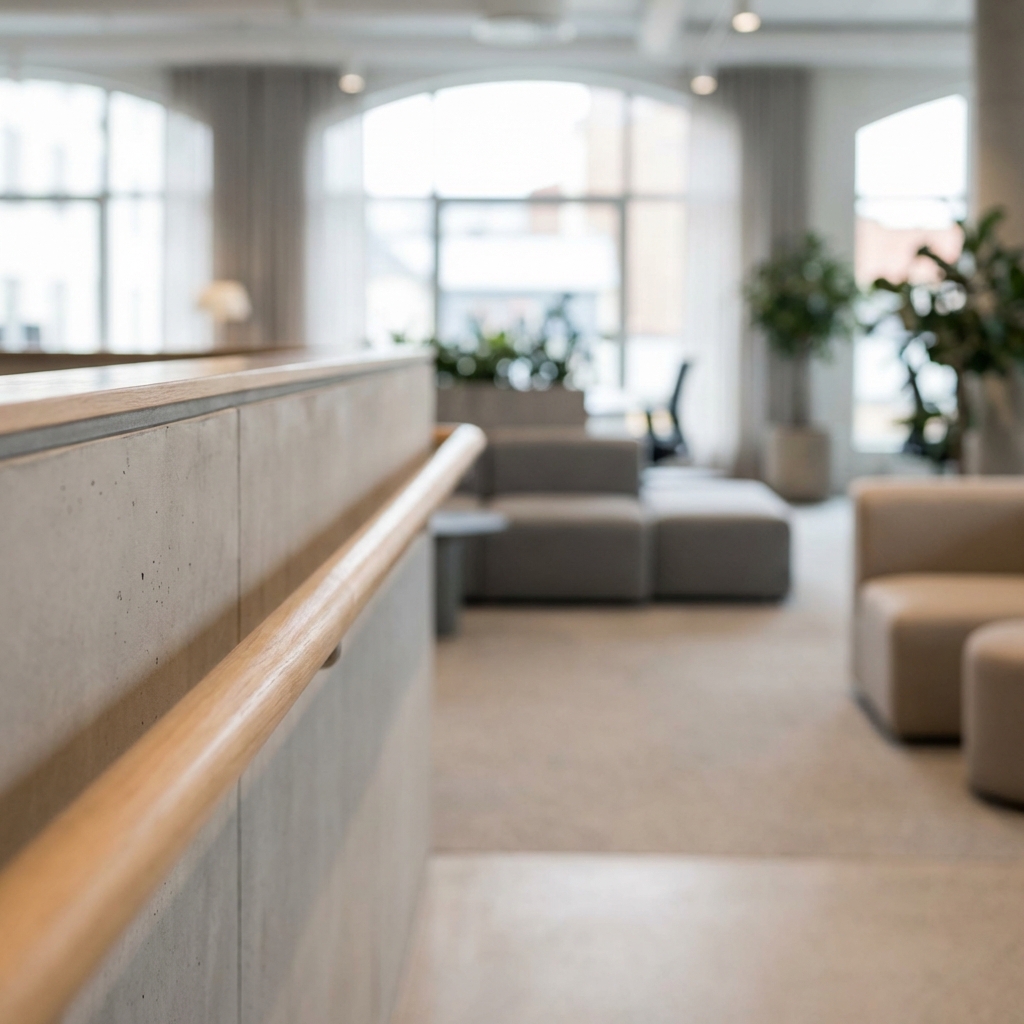
Direct-to-wall printing signage turns corridors, lobbies, and junctions into legible, branded guidance systems without the seams, adhesive failures, or plaque clutter typical of traditional programs. By placing arrows, iconography, color bands, and floor identifiers directly on finished or unfinished surfaces, you get integrated wall graphics that feel like part of the architecture—not an afterthought. The result is clear, photoreal information at architectural scale that supports commercial interior branding while improving flow.
It’s important to note that tactile room IDs and braille remain mandatory where required; direct-to-wall printing functions as an ADA signage alternative for directional, zoning, instructional, and environmental cues, not as a substitute for regulated plaques. This hybrid approach reduces the number of mounted signs to maintain, consolidates information onto the wall plane, and keeps door-adjacent ADA plates for compliance.
Practical applications span complex facilities and multi-building campuses. In hospitals, color-coded route bands, department names, and arrow clusters can be printed on CMU and drywall, guiding patients from entry to imaging or discharge without sign trees. Universities can label building zones, room ranges, and service points on corridor walls; corporate workplaces can mark neighborhoods, elevator cores, and amenity stacks, all while reinforcing brand standards.
High-value elements to print include:
- Color-coded paths and floor/wing identifiers
- Elevator lobby directories and “You Are Here” maps
- Department headers, destination arrows, and queue lines
- Safety, egress, and instructional graphics without sign clutter
- Seasonal or event overlays aligned to brand campaigns
EastCoast MuralPros delivers durable wall printing on site—typically in under five hours per area—minimizing disruption in occupied buildings. The process eliminates shipping and fabrication errors, performs on drywall, concrete, brick, and CMU, and produces cleanable, seam-free surfaces that are paint-over ready for future change. For national rollouts and full-campus programs, their subscription model and standardized workflows ensure consistent execution and lifecycle efficiency compared to vinyl wall coverings or wallpaper.
Durability and Maintenance: Lifecycle Benefits for High-Traffic Environments
High-traffic facilities need graphics that won’t peel, buckle, or become trip-and-cleaning hazards over time. Direct-to-wall printing signage delivers a seam-free surface that resists edge failure and eliminates the adhesives that typically drive premature maintenance. Because the imagery is printed directly onto the substrate, there are no panels to warp and no vinyl to delaminate, extending service life and preserving intent in busy corridors, lobbies, and patient or student areas.
In daily operations, the maintenance profile is straightforward. Durable wall printing stands up to routine cleaning without lifting at seams, and touchups are as simple as a quick reprint or a paint-over when programs or tenants change. The lack of hardware and tape means fewer work orders, faster punch-list closeouts, and consistent appearance across zones with varying humidity or temperature.
Traditional ADA plaques and mounted panels still serve a critical role for tactile and code-required identifiers, but many directional, instructional, and branding elements are better delivered as integrated wall graphics. In those cases, direct-to-wall methods act as ADA signage alternatives that cut recurring costs tied to physical hardware. Typical maintenance burdens avoided include:
- Replacing peeling or bubbling vinyl
- Releveling plaque hardware and repairing wall penetrations
- Removing adhesive residue and shadowing
- Reordering damaged panels and managing shipping delays
For systemwide architectural wayfinding solutions, EastCoast MuralPros prints on-site to finished or unfinished surfaces (drywall, CMU, concrete, brick), completing most installs in under five hours with minimal disruption to occupants. Their process produces photoreal, high-resolution graphics at architectural scale—ideal for commercial interior branding and safety or instructional overlays—and supports subscription refreshes for seasonal campaigns or phased renovations. When standards evolve, spaces can be updated without demolition, replacement panels, or landfill-bound vinyl.
The lifecycle impact is measurable: fewer failures, reduced downtime, and predictable refresh cycles across multi-location portfolios. The result is cleaner walls, clearer navigation, and brand continuity—an efficient path to durable wall printing that integrates seamlessly with required ADA components.
Sustainability and Efficiency: Reducing Waste in Facility Branding
Traditional plaques, panels, and vinyl wall coverings generate significant waste over their lifecycle—PVC, adhesives, fasteners, and packaging that often end up in landfills during every rebrand. Direct-to-wall printing signage removes most of that footprint by printing high-resolution graphics directly onto finished or unfinished surfaces like drywall, CMU, concrete, and brick. Without substrates or adhesives, you get seam-free visuals that feel integrated into the architecture while dramatically reducing material use.
On-site production also streamlines logistics. By eliminating crating, shipping, and field trimming of panels, facilities avoid overage orders and fabrication errors that create scrap. EastCoast MuralPros typically completes large wall zones in under five hours, minimizing occupant disruption and accelerating schedules across multi-location commercial interior branding programs.
Sustainability gains compound over time. Durable, cleanable finishes stand up to high-traffic environments, extending refresh cycles and reducing replacement frequency. When updates are needed—tenant turnover, new brand standards, or wayfinding changes—paint-over-ready surfaces allow quick revisions without demolition. EastCoast MuralPros’ subscription model plans seasonal or strategic refreshes to right-size scope, avoiding batch waste and rushed reprints.
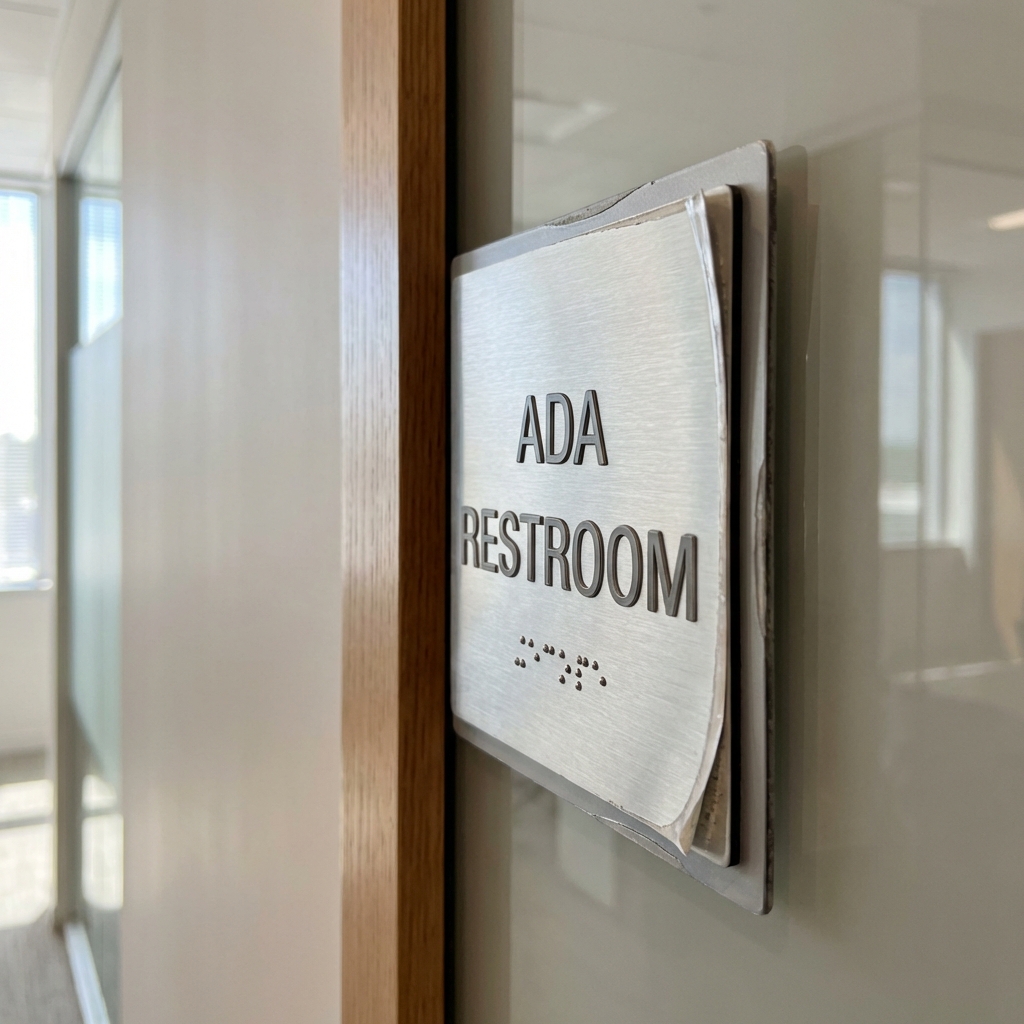
Consider how integrated wall graphics act as architectural wayfinding solutions: large numerals, color bands, arrows, and zone names can be printed directly on corridor walls, elevator lobbies, and stair cores to reduce plaque clutter. For code compliance, tactile/Braille room IDs still require physical ADA signs, but non-tactile directional and instructional messaging is ideal for ADA signage alternatives and complements. The result is a cleaner visual system with fewer components to fabricate, install, and maintain.
Facilities can measure waste reduction across multiple vectors:
- No vinyl, PVC wallpaper, or adhesive backers to replace or dispose of
- Lower freight and packaging from on-site production
- Fewer field errors and re-fabrications during rollout
- Simple repaint-to-reset instead of removal and patching
From hospitals updating circulation to universities standardizing zone colors campus-wide, durable wall printing provides a lifecycle-efficient path to scale. EastCoast MuralPros delivers consistent execution nationally, helping teams cut waste while elevating clarity and brand presence.
Implementing Integrated Graphics Across Multi-Location Institutional Campuses
Multi-location campuses need a consistent system that guides visitors without adding fixtures to every wall. Direct-to-wall printing signage lets teams extend brand, zone colors, arrows, and icons across corridors and vertical surfaces as one continuous layer, reducing hardware and clutter. Used as architectural wayfinding solutions, these printed elements create integrated wall graphics that connect entrances, elevators, clinics, classrooms, and amenities.
Start with a network-wide audit and message hierarchy: destinations, decision points, and redundancies by building and floor. Develop vector-based standards (type, color, iconography, contrast, and mounting heights) that align with accessibility and life-safety requirements. Pilot one building to validate visibility distances, cleaning protocols, and stakeholder approval, then publish a rollout playbook.
A typical integrated package for campuses includes:
- Color-coded circulation “bands” along corridors with arrows and destination stacks
- Door headers and wall blades printed directly on drywall, CMU, concrete, or brick
- Floor-to-wall cues at decision points and elevators for vertical circulation
- Embedded safety, hand hygiene, and instructional graphics without separate placards
- Temporary overlays for events or semester changes, designed to be paint-over-ready
For compliance, pair printed directionals with code-required tactile room ID placards; direct-to-wall graphics are ADA signage alternatives for directional and informational needs but do not replace tactile and braille where mandated. EastCoast MuralPros standardizes this balance across sites, delivering durable wall printing that is cleanable, seam-free at architectural scale, and installed with low disruption—often in under five hours per zone. On-site production eliminates shipping delays and fabrication errors, and their team executes consistently across multi-location and national rollouts.
Healthcare systems, universities, and public institutions use this model to phase upgrades building by building, often over weekends, while maintaining operations. EastCoast MuralPros also supports commercial interior branding needs—doors, tables, and standees can be printed in-studio to match wall systems. A subscription option enables seasonal or strategic refreshes, keeping programs current without ripping and replacing hardware.
Conclusion: The Future of Compliant and Aesthetic Commercial Interiors
Commercial interiors are moving from plaque-heavy corridors to architecture-first wayfinding, with direct-to-wall printing signage as the backbone. Seam-free, photoreal imagery at architectural scale, installed in hours, reduces visual clutter and lifecycle costs versus vinyl or wallpaper while preserving the character of drywall, CMU, or brick. Integrated wall graphics also unify brand storytelling with clear navigation across high-traffic zones.
Compliance remains paramount: code-required room identification, exits, and restrooms still need tactile characters and Braille; the connective tissue—directional arrows, zone IDs, pictograms, and instructional graphics—can be delivered with direct-to-wall printing signage. Using high-contrast palettes, accessible type sizes, and consistent mounting, facilities create architectural wayfinding solutions that are easy to follow and maintain. For example, a children’s hospital can print color bands with iconography along corridors and pair compact tactile plaques at doorways to meet code without clutter.
Practical next steps for teams adopting this hybrid model:
- Establish a standards kit: typography, color contrast, arrow forms, and icon sets.
- Map code-required tactile plaque locations, then design integrated wall graphics around them.
- Confirm compatible surfaces (drywall, CMU, concrete, brick) and validate print quality onsite.
- Plan lifecycle: paint-over-ready refreshes via a subscription model keep content current.
- Schedule low-disruption installs—many areas finish in under five hours, even while occupied.
EastCoast MuralPros specializes in durable wall printing that supports compliance and elevates commercial interior branding at scale. Their on-site, direct-to-wall printing signage delivers consistent execution across campuses and national portfolios, with cleanable finishes for high-traffic areas and paint-over-ready surfaces for future changes. As ADA signage alternatives to vinyl-heavy systems—and always paired with code-required tactile plaques—they help facilities teams reduce risk, shorten schedules, and standardize quality. From a university orientation refresh over a weekend to a hospital’s safety rollout overnight, EastCoast MuralPros provides a predictable path to integrated, code-aware wayfinding.
Call to Action
Contact us to learn more