
Introduction: The Shifting Standards of Sustainable Interior Design
Sustainability in commercial interiors is moving from labels and “green” intentions to measurable performance. Owners now weigh embodied materials, install and transport impacts, indoor air quality, and end‑of‑life pathways just as closely as aesthetics and cost. Against this backdrop, direct-to-wall printing sustainability is emerging as a practical benchmark for teams seeking vinyl wall covering alternatives that actually reduce waste and complexity.
Unlike vinyl or wallpaper systems that rely on PVC films, adhesives, liners, and seams, direct-to-wall printers place high-resolution graphics directly onto the substrate. Material throughput drops to inks and protective coatings, and on-site execution cuts out crates, panels, and overage. For organizations pursuing sustainable interior branding in occupied buildings, fewer materials and fewer steps often translate into less disruption and a smaller footprint.
To compare apples-to-apples, focus on metrics that operations teams can track:
- Material intensity: measure total square footage of PVC, adhesives, liners, and trims eliminated versus ink and coating used per wall.
- Logistics and waste: quantify pallets, packaging, and shipping miles avoided by printing on site; include reduction in reprints from fabrication errors.
- Installation impacts: track hours on site, after-hours work avoided, and the need (or not) for ventilation or temporary closures due to VOCs or adhesives.
- Durability and maintenance: document cleaning protocols and intervals, and the number of interventions over the commercial wall graphics lifecycle.
- End-of-life: note whether graphics are paint-over-ready versus requiring demolition, scraping, or landfill-bound materials.
EastCoast MuralPros helps teams operationalize these metrics with next-generation, high-definition direct-to-wall printing that eliminates seams and adhesives. Their no vinyl or PVC solutions support eco-friendly wall graphics across drywall, CMU, concrete, and brick, with most installations completed in under five hours. A subscription model enables seasonal refreshes without tearing out materials, and paint-over-ready finishes simplify tenant turnover or program changes. For example, a hospital can update wayfinding across a wing overnight, maintain cleanable graphics in high-traffic corridors, and paint over them during a future renovation—minimizing material waste and keeping sustainability aligned with schedule and budget.
Analyzing the Lifecycle Impact of Traditional Vinyl Wall Coverings
Traditional vinyl wall coverings carry hidden costs across their entire lifecycle. PVC-based films require chlorine chemistry and plasticizers, adding embodied carbon and potential additives of concern before a square foot even reaches your site. Once printed, most systems add a laminate and rely on pressure-sensitive adhesives and silicone-coated release liners—layers that are difficult to recycle and typically head straight to landfill.
During installation, vinyl generates packaging and trim waste, and seams introduce future failure points. In high-traffic corridors or humid environments, edges can lift or bubble, triggering service calls, hygiene concerns, and early replacement. Adhesives and primers, even low-VOC varieties, add to indoor air load and extend downtime, especially across multi-floor or occupied facilities.
Key lifecycle burdens to consider:
- Upstream materials: PVC resin, phthalates/plasticizers, and laminates increase embodied impacts versus paint-only substrates.
- Transport and packaging: Rolls, cores, and protective materials add weight and waste; release liners are rarely recyclable.
- Installation waste: On-site trimming around outlets, glazing, and corners often results in significant offcuts.
- Performance risk: Seams, adhesive creep, and substrate incompatibility drive premature failure and rework.
- Maintenance: Scuffs, delamination at joints, and patching mismatches shorten refresh cycles.
- End-of-life: Inks, adhesives, and mixed layers complicate recycling; most material is landfilled or incinerated.
By contrast, direct-to-wall printing sustainability improves on nearly every metric. EastCoast MuralPros prints high-resolution graphics directly onto finished or unfinished surfaces without vinyl or adhesives, eliminating liners and panel waste and reducing transport burdens through on-site execution. The result is a seam-free, durable, cleanable surface that’s paint-over-ready at end-of-life, avoiding demolition and heavy disposal during tenant turnover. For programmatic rollouts, consistent, quick installations—often under five hours—minimize disruption in occupied buildings and support sustainable environmental graphics strategies at scale.
Consider a hospital or university that replaces peeling vinyl along a 300-foot corridor every few years due to seam failures and cleaning damage. A direct-to-wall approach delivers the same photoreal clarity without layers that delaminate, cuts packaging waste to near-zero, and enables future refreshes with a simple scuff and paint-over. For teams evaluating vinyl wall covering alternatives, these lifecycle advantages translate into more sustainable interior branding and a tighter, more predictable total cost over the life of your commercial wall graphics.
The Direct-to-Wall Printing Advantage: Eliminating Adhesives and Substrates
Removing adhesives and plastic substrates is the single biggest lever in direct-to-wall printing sustainability. Traditional vinyl wall coverings bring PVC films, paper backers, and pressure-sensitive adhesives into your building; each adds embodied carbon, offcuts, and end-of-life landfill. By jetting high-resolution imagery directly to painted drywall, CMU, or brick, you get seam-free graphics that feel architectural while materially reducing inputs.
Consider a 2,000-square-foot corridor: a vinyl install arrives as dozens of rolls with release liners and packaging and yields boxes of trimmings from seams and around obstacles. Direct application to the wall consumes only ink; there are no liners to discard and no adhesive films to cure, outgas, or remove later. When the program changes, paint remediation replaces laborious adhesive removal—an immediate lifecycle win for sustainable interior branding.
On-site printing also collapses logistics. Eliminating substrate shipments means fewer pallets and truck miles, and it prevents reprints from measurement or fabrication errors that often plague panelized graphics. Fast, low-disruption installs—often completed in under five hours—reduce after-hours staffing, barricades, and energy use in occupied hospitals, campuses, and offices.
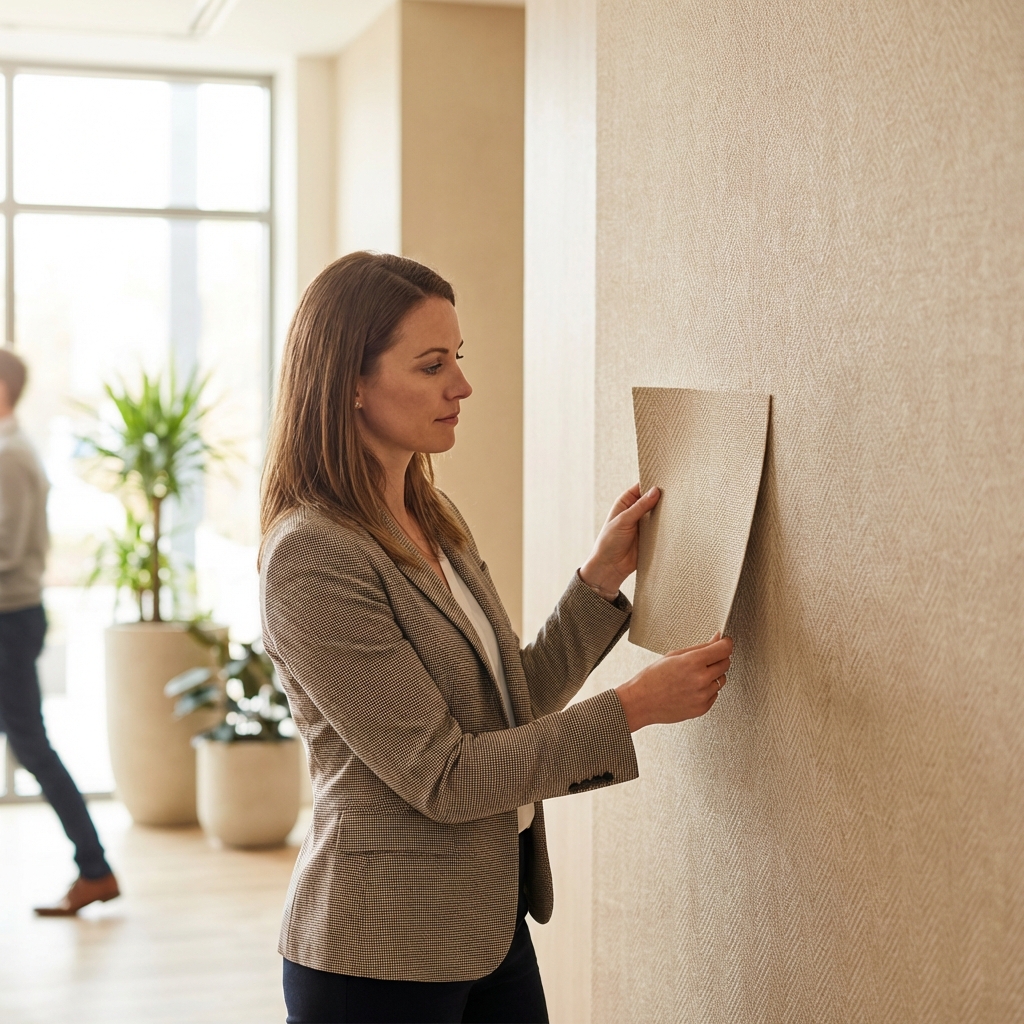
- Material avoided: PVC films, paper backers, release liners, and buckets of adhesive.
- Waste prevention: virtually no offcuts; no failed panels from misalignment or trapped dust.
- Indoor air quality: no adhesive odors and minimal disturbance, supporting eco-friendly wall graphics in sensitive environments.
- Durability and cleaning: integrated, cleanable surfaces for high-traffic corridors reduce premature replacement.
- End-of-life: paint-over-ready surfaces avoid demolition, landfill, and hazardous solvent use.
- Consistency at scale: in-situ printing delivers uniform results across walls and locations, lowering the risk of rework.
For multi-location rollouts, the commercial wall graphics lifecycle improves further. Teams can update wayfinding or seasonal brand moments without ordering new materials; crews arrive with a printer, confirm alignment on site, and print. EastCoast MuralPros even supports subscription refreshes, turning planned updates into predictable, low-waste operations.
If you are evaluating vinyl wall covering alternatives, EastCoast MuralPros offers a performance-based system that delivers the visual quality of photoreal murals with measurably lower material use. The approach is compatible with finished and unfinished surfaces and scales reliably across schools, healthcare, retail, and workplaces. It’s a practical path to eco-friendly wall graphics without the headaches of adhesives, panels, or frequent replacement.
Waste Reduction Metrics: Installation Efficiency and Material Savings
Direct-to-wall printing sustainability is easiest to quantify when you measure the waste streams it removes. Traditional vinyl wall coverings and wraps produce substrate, adhesive, seam offcuts, and packaging waste at every step. Placing high-resolution imagery directly onto drywall, CMU, concrete, or brick eliminates films and liners, so nearly all of what’s brought to the job becomes part of the finished surface. That reduction compounds across multi-floor buildings and national rollouts.
Consider a 60-foot by 10-foot corridor feature wall specified in 54-inch-wide vinyl. You’d cut roughly 14 drops, creating 13 seams; a 1-inch overlap per seam equates to about 11 square feet of scrap, and top/bottom trimming can add another 30–35 square feet—5–8% of the wall area discarded before factoring liner paper or excess paste. With direct-to-wall, there are no overlaps, release liners, or panel trims, so offcut waste approaches zero. Fewer field cuts around devices and door frames further reduces mistakes and reprints.
Installation efficiency also drives waste reduction. On-site printing completed in under 5 hours curtails building downtime, temp protection, and overnight labor that often lead to damage and rework. Printing to the finished surface removes crates, cores, and pallets associated with shipped panels—and prevents refabrication when field conditions don’t match shop drawings. For multi-location programs, consistent execution reduces variance and the scrap that comes with it.
End-of-life is another measurable win in the commercial wall graphics lifecycle. Durable, cleanable surfaces delay replacement cycles compared with films that peel or scuff, especially in high-traffic healthcare and education corridors. When it’s time to refresh, a paint-over-ready finish avoids tear-off, adhesive residue, drywall repair, and the landfill burden of PVC or paper backers—key for sustainable interior branding goals.
Metrics facilities and procurement teams can track:
- Offcut waste eliminated (% of wall area, often 5–8% for seamed materials)
- Substrate mass avoided (e.g., ~90–140 lb per 1,000 sq ft versus Type II vinyl, depending on spec)
- Adhesives and liners avoided (typically 3–5 gallons of paste per 1,000 sq ft, plus release liners for wraps)
- Packaging/shipping avoided (roll cores, boxes, pallets; number of shipments)
- Downtime hours avoided per install and rework prevented
- End-of-life debris avoided (tear-off weight and wall repair materials)
EastCoast MuralPros helps teams operationalize these vinyl wall covering alternatives at scale. Their on-site, seam-free process, fast installs, and paint-over-ready finishes make eco-friendly wall graphics practical for campuses, hospitals, workplaces, and retail networks seeking measurable, low-disruption waste reduction.
Durability and Maintenance: Long-term Environmental Benefits of Digital Printing
Durability is one of the most overlooked drivers of direct-to-wall printing sustainability. When graphics last longer, clean easily, and don’t fail at seams or adhesives, you reduce replacement cycles, labor, and material waste across the entire commercial wall graphics lifecycle. Seam-free prints that cure directly to the wall behave like part of the architecture, providing a sturdier finish than applied films and lowering the risk of bubbling, peeling, and edge damage in high-traffic environments.
Traditional vinyl wall coverings often become a maintenance burden long before design intent changes. Seams invite moisture and cleaning intrusion, adhesives can fatigue, and replacement typically involves stripping, patching, and reapplication—each step generating waste and downtime. By contrast, digital direct-to-wall delivers integrated, cleanable imagery that stands up to daily wear without the failure points of mounted materials. It also removes liner paper, cores, adhesive layers, and shipping-intensive rolls from the equation, making it one of the most effective vinyl wall covering alternatives.
Key maintenance advantages that compound environmental benefits over time include:
- Seam-free surfaces that limit water and disinfectant ingress, reducing premature failures.
- Durable, cleanable finishes that support routine wipe-downs without scuffing or delamination.
- Paint-over-ready end-of-life, avoiding adhesive residue, chemical removers, and landfill-bound substrates.
- On-site printing that minimizes packaging, shipping, and re-fabrication waste from measurement or fit errors.
- Compatibility with drywall, CMU, concrete, and brick, limiting the need for substrate replacement.
Consider a hospital corridor where nightly sanitation can lift vinyl seams within months; a direct-to-wall system withstands frequent cleaning while maintaining image quality, reducing unplanned replacements. On a university campus, wayfinding updates can be printed over freshly painted areas, eliminating the tear-out cycle of panels and adhesives. Retail landlords benefit during tenant turnovers: walls are painted, refreshed, and reprinted in hours, not days, cutting both waste and vacancy downtime.
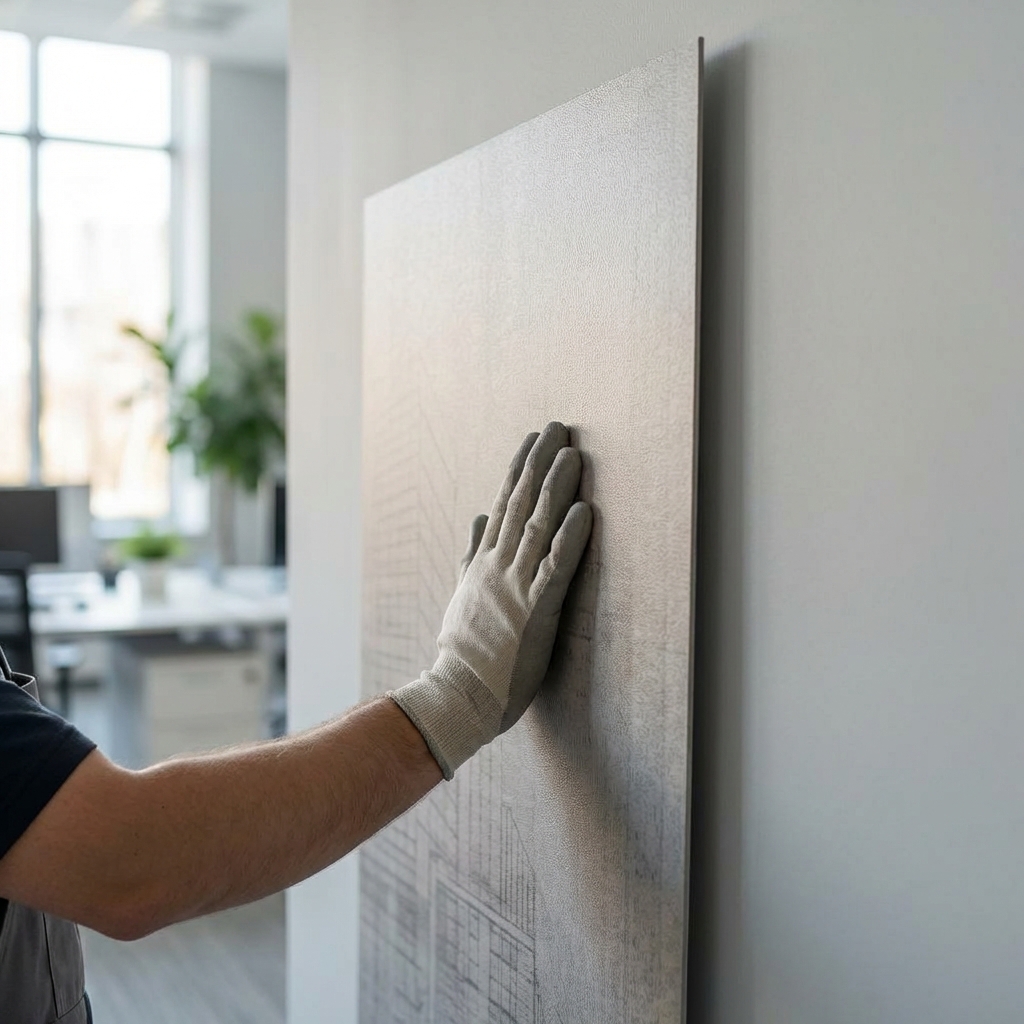
EastCoast MuralPros designs for sustainable interior branding by pairing durable, cleanable, high-resolution imagery with low-disruption, on-site execution. Their paint-over-ready approach and lifecycle-efficient process help large portfolios scale eco-friendly wall graphics without accumulating adhesive waste or frequent re-dos. For teams evaluating vinyl wall covering alternatives, this method aligns performance with sustainability goals while preserving schedule certainty and design quality.
Future-Proofing Spaces: Easy Removal and Re-coating Without Landfill Waste
Most interior programs change on a two- to five-year cadence. The sustainability win comes down to how you retire yesterday’s graphics and prepare for what’s next. With paint-over-ready finishes, direct-to-wall printing sustainability eliminates the piles of torn PVC and adhesive-laden waste that come with removals, while keeping walls intact for a fast, clean recoat.
Traditional wallcoverings often leave behind residue that requires heat, scrapers, solvents, and wall repair. That process drives up labor hours, produces contaminated debris, and can expose gypsum core, triggering skim-coats before repainting. By contrast, ink applied directly to the substrate integrates with the wall surface; when it’s time to refresh, facilities teams can clean, scuff, prime, and repaint without demolition or disposal streams.
- Vinyl removal generates bulky PVC offcuts, adhesive-contaminated scrap, and damaged drywall that heads to landfill.
- Direct-to-wall reprogramming yields minimal waste—typically spent paint cans and light sanding dust—managed through standard maintenance channels.
Protecting the substrate matters across the commercial wall graphics lifecycle. Adhesive pulls can delaminate paper-faced drywall, creating patchwork that extends schedules and adds material. A direct print avoids that failure mode, reducing touch-ups and letting teams turn spaces overnight—critical for occupied healthcare, education, and workplace environments with low disruption tolerance.
Consider a hospital updating wayfinding between wings. A vinyl-based approach may require weekend shutdowns, odor controls, and dumpsters for removed rolls. With EastCoast MuralPros, staff can print new, integrated wayfinding directly on CMU or drywall in hours, and in two years—when departments shift—maintenance can simply spot-sand, prime, and repaint, with no adhesive cleanup, no landfill-bound PVC, and no impact to clinical operations.
For organizations seeking vinyl wall covering alternatives that support sustainable interior branding, this approach scales. EastCoast MuralPros’ on-site process avoids shipping crates and fabrication errors, delivers eco-friendly wall graphics at architectural resolution, and sets you up for the next refresh—whether through a subscription model or a campus-wide rebrand—without wasteful tear-outs. It’s a pragmatic path to measurable reduction in materials, labor, and downtime, while keeping future changes straightforward and budget-predictable.
Conclusion: Making the Shift Toward Sustainable Vertical Surface Solutions
Across the full commercial wall graphics lifecycle, the evidence favors a shift away from PVC-based wraps toward print-on-surface methods. Direct-to-wall printing sustainability stems from eliminating vinyl and pressure-sensitive adhesives, which reduces plastic use, off‑gassing risk, packaging, and transport. On-site, seam-free output also lowers failure points like edge-lift and bubbling, decreasing maintenance calls and premature replacement.
In practice, the gains are operational as well as environmental. A hospital can update isolation-room protocols across multiple wings overnight, install new graphics with minimal odor and disruption, and clean surfaces daily without degrading the image. A school district can refresh wayfinding before fall term across concrete block and painted drywall, then paint over graphics during program changes rather than landfilling panels. Retail and workplace teams can execute seasonal or rebrand content in under five hours per zone, preserving trading hours while avoiding the waste of short-lived vinyl.
When evaluating vinyl wall covering alternatives, set clear, comparable metrics:
- Materials and packaging avoided per project (PVC, liners, adhesives)
- Waste at end of life and ease of paint-over versus tear-out
- Labor hours and occupant downtime during install and refresh cycles
- Failure modes (seams, edges, bubbles) and expected service intervals
- Cleaning compatibility and image durability for high-traffic areas
- Consistency and error rates across multi-location rollouts
- Surface compatibility (finished and unfinished substrates) without prep-intensive steps
EastCoast MuralPros is a performance-focused partner for sustainable interior branding. Their on-site, high-resolution system produces eco-friendly wall graphics directly on drywall, CMU, concrete, or brick with seam-free results and cleanable, durable finishes. Paint-over-ready outputs simplify future tenant or program changes, and a subscription model supports seasonal or strategic refreshes without repeat fabrication and shipping. For campuses, hospitals, and national brands, EastCoast MuralPros delivers schedule certainty, consistent execution, and measurable reductions in material throughput—making the transition to more sustainable vertical surface solutions both practical and scalable.
Call to Action
Contact us to learn more