
Introduction: The Evolution of Commercial Wall Surfaces
Commercial wall surfaces have shifted from paint-and-paper to PVC films and vinyl wallpaper, which added color but introduced seams, adhesives, and maintenance headaches. In healthcare, schools, and high-traffic workplaces, those seams and edges can trap grime and fail under repeated cleaning. Facilities now prioritize surfaces that hold up to daily disinfection, avoid peeling, and look integrated with the architecture.
Direct-to-wall printing technology advances this goal by putting high-definition graphics directly onto prepared substrates—drywall, CMU, concrete, and brick—without vinyl or adhesives. The result is seamless wall printing that reads as part of the building and supports rigorous commercial wall graphics cleanability. EastCoast MuralPros delivers photoreal, durable interior branding and wayfinding at architectural scale with low disruption, often completing installations in under five hours.
For hospitals seeking hospital infection control solutions, the operational advantages are concrete:
- No seams or film edges where moisture and bioburden can accumulate
- Cleanable, abrasion-resistant finishes compatible with common hospital disinfectants and daily EVS protocols
- Low-disruption, on-site printing that avoids dust, odors, and shipping-related delays or fabrication errors
- Paint-over-ready surfaces for future tenant or program changes without demolition or adhesive removal
Lifecycle performance also matters as teams evaluate vinyl wallpaper alternatives. By eliminating PVC and vinyl materials, organizations reduce off-gassing concerns, waste streams, and premature replacements caused by bubbling or edge failure. EastCoast MuralPros pairs these material advantages with campus-wide coverage for hospitals and schools, integrated wayfinding without signage clutter, and a subscription model for seasonal refreshes—delivering schedule certainty and consistent execution across multi-location rollouts.
The Hidden Risks of Vinyl Wallpaper in High-Traffic Environments
Vinyl wall coverings can look crisp on day one, yet in busy corridors, waiting rooms, and nurses’ stations they introduce failure points that compromise commercial wall graphics cleanability. Seams, overlaps, and trimmed edges collect moisture and soil, and once carts or wheelchairs nick an edge, microtears become stubborn reservoirs that are hard to disinfect. Repeated exposure to hospital-grade cleaners also softens adhesives over time, increasing edge lift and creating more places for contaminants to lodge.
Textured or embossed wallpapers make matters worse by increasing surface area where biofilm can cling between cleanings. Impermeable backings can trap moisture against drywall or CMU, inviting odor issues and staining that trigger work orders and unscheduled shutdowns. In high-acuity spaces where throughput and hygiene are paramount, these hidden maintenance liabilities add risk without adding operational value.
Common risk patterns we see with vinyl:
- Seams and overlaps that harbor soil and biofilm, even after rigorous wipe-downs
- Edge lift and bubbling that create dirt-catching ledges and visible cleanability failures
- Chemical degradation from quats, bleach, and peroxides that dull, craze, or tackify surfaces
- Moisture entrapment behind the covering that can promote staining and odor
- Frequent patching and replacements that disrupt care areas and drive lifecycle cost
These issues ripple through infection prevention, facilities, and procurement. Staff spend time spot-repairing graphics that never quite look “clean,” while asset managers absorb repeated replacement cycles during tenant turnover or brand refreshes. For multi-site health systems, variability in installers and materials compounds inconsistency and elevates compliance scrutiny.
Direct-to-wall printing technology avoids those weak points by eliminating seams and adhesives altogether. Graphics are printed directly onto finished substrates—drywall, CMU, concrete, even brick—creating a hard-wearing, cleanable surface that stands up to routine disinfection. Wayfinding, safety instructions, and durable interior branding can be integrated at architectural scale without sign clutter, improving clarity in high-traffic environments.
EastCoast MuralPros delivers seam-free wall printing with photoreal resolution, fast installs that often finish in under five hours, and finishes engineered for high-traffic cleaning regimens. As a leading vinyl wallpaper alternative, the team provides campus-wide standards, low-disruption on-site execution, and paint-over-ready surfaces for future changes. Explore how their modern direct-to-wall printing technology strengthens hospital infection control solutions while reducing maintenance and downtime.
Understanding Direct-to-Wall Printing: A Seamless Solution for Modern Facilities
Direct-to-wall printing technology uses a mobile, UV-LED inkjet system to print high-resolution graphics directly on finished or unfinished substrates—no vinyl, adhesives, or panels. The result is photoreal imagery that conforms to the architecture for seamless wall printing at scale. Because the graphic is built in place, it avoids the joins, overlaps, and failure points typical of vinyl wallpaper alternatives.
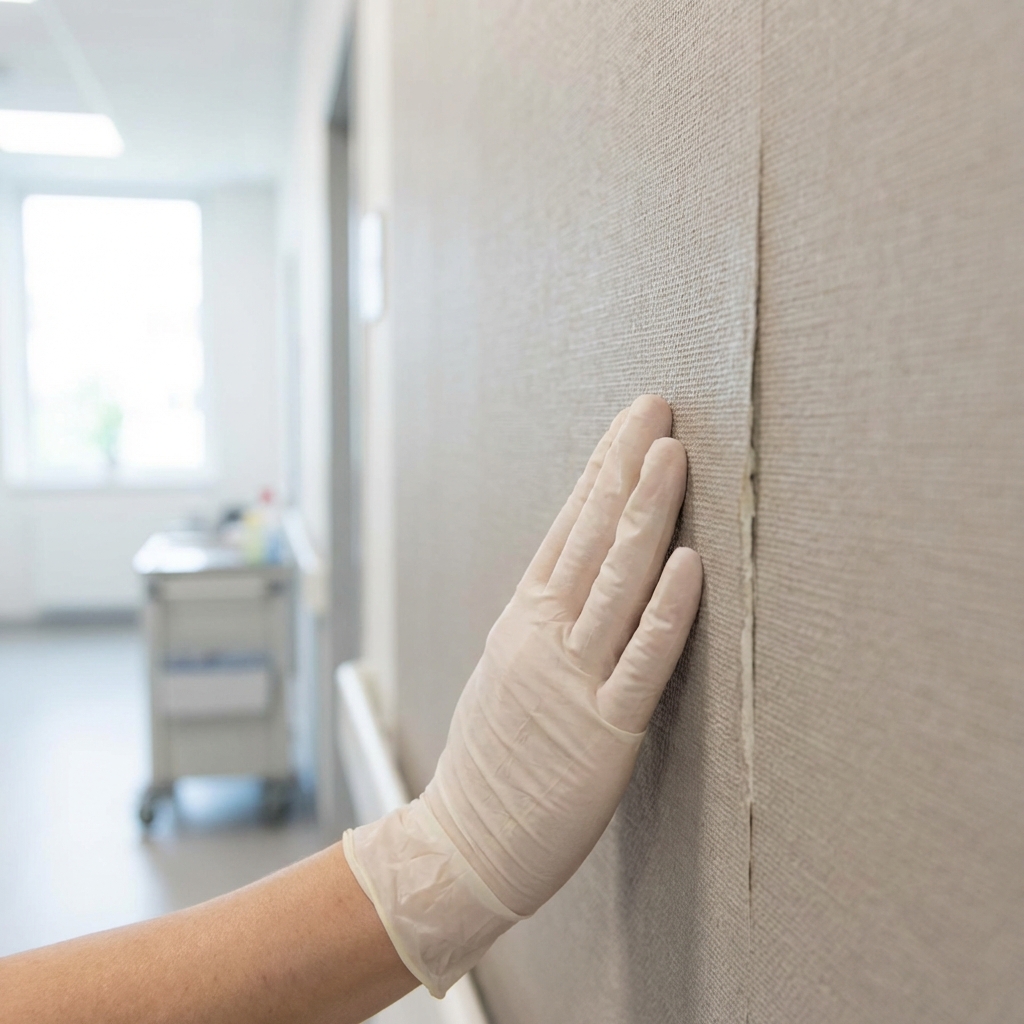
The cured ink forms a thin, durable film bonded to the wall, engineered for commercial wall graphics cleanability without adding material thickness. It performs on painted drywall, CMU, sealed concrete, and even brick, and installs with minimal surface prep and masking. With no sheets to seam or heat, you avoid bubbles, edge lift, and the dirt-harboring gaps that complicate maintenance.
For clinical settings, fewer seams and a continuous, non-porous print edge support routine disinfection protocols. UV-cured systems withstand frequent wipe-downs with common EPA-registered cleaners used in hospitals, helping teams meet hospital infection control solutions while keeping walls looking new. Integrating wayfinding, safety icons, and instructional graphics directly on the wall also reduces signage clutter that traps dust and is hard to sanitize.
- Fast, low-disruption installs—often complete in under 5 hours per area
- On-site production eliminates shipping delays and fabrication errors
- Seam-free results at architectural scale for durable interior branding
- Paint-over-ready finishes simplify future tenant or program changes
- Lifecycle-efficient and more sustainable than wallpaper and vinyl
- Consistent execution for multi-location and national rollouts
- Integrated wayfinding, safety, and instructional graphics without signage clutter
Hospitals use it to add color-coded wayfinding along corridors overnight, then disinfect normally the next morning. Universities refresh residence halls and dining with seasonal messaging through a subscription model, while retailers roll out consistent brand walls across dozens of locations without construction. EastCoast MuralPros brings this capability with full-campus planning, collaborative tools for digital artists, and in-studio printing for doors, tables, and standees to create cohesive environments. Low-disruption installation keeps spaces open and compliant during work hours.
Comparative Analysis: Cleanability and Chemical Resistance
Healthcare environments demand surfaces that stand up to frequent disinfection without trapping bioburden. Direct-to-wall printing technology creates a monolithic graphic layer with no seams, overlaps, or edge caps—eliminating common harborage points found in vinyl wallcoverings. Adhesive-backed films can lift, bubble, or micro-tear over time, allowing moisture and soils to creep beneath the surface. Seamless wall printing allows full-contact wiping from edge to edge, improving commercial wall graphics cleanability in patient rooms, corridors, and nurses’ stations.
Chemical resistance is where the divergence becomes more pronounced. Routine hospital disinfectants—quats, diluted bleach, hydrogen peroxide, and isopropyl alcohol—can discolor or embrittle vinyl, leach plasticizers, and weaken adhesive bonds at seams. Well-specified direct-to-wall systems use hard, crosslinked print layers engineered for abrasion and chemical exposure, maintaining image quality after repeated wipe cycles. With no adhesive layer to react to disinfectants, there’s less risk of staining, sticky residue, or edge failure that complicates infection control.
Substrate and maintenance choices still matter, and the path to durable interior branding is straightforward with the right specs:
- Favor smooth, finished drywall or epoxy-coated walls in clinical areas to maximize cleanability; heavy CMU texture will limit soil removal regardless of graphic method.
- Validate disinfectant compatibility with spot tests and defined dwell times, and document wipe cycle standards for Environmental Services.
- Use microfiber and neutral cleaners for routine care, escalating to EPA-registered disinfectants per protocol; rinse and dry to avoid chemical buildup.
- Plan for lifecycle efficiency: paint-over-ready finishes enable rapid refresh without demolition or adhesive abatement—key for hospital infection control solutions.
For facilities seeking vinyl wallpaper alternatives, EastCoast MuralPros brings a performance-based approach that aligns with clinical priorities. Their on-site, seam-free installations are typically completed in under five hours, reducing downtime in active units and eliminating shipping or fabrication errors. The result is consistent execution across multi-location rollouts, integrated wayfinding without signage clutter, and surfaces designed to be cleaned daily. For pediatric wings, med-surg corridors, and elevator lobbies, the combination of seamless wall printing and disciplined maintenance offers a resilient, standardized platform that supports both branding and infection prevention.
Infection Control Benefits of Adhesive-Free Wall Graphics
Hospitals and clinics need surfaces that clean quickly, tolerate frequent disinfection, and avoid places where soil and biofilm can accumulate. Unlike layered films, seams, and edge overlaps common to vinyl wallpaper alternatives, direct-to-wall printing technology creates continuous graphics without adhesives. The result is a smooth, integrated finish that’s easier for EVS teams to wipe, audit, and keep within infection control protocols, aligning with CDC/FGI guidance for cleanable, non-porous environmental surfaces.
Because there are no seams to split or edges to curl, there are fewer failure points under aggressive cleaning. The printed layer is engineered for high-traffic environments and holds up to routine hospital-grade wipes and disinfectants (quats, bleach, and accelerated hydrogen peroxide) without bubbling, ghosting, or ink transfer. That durability supports consistent commercial wall graphics cleanability and reduces the recurring maintenance that often follows vinyl wear.
Key infection-control advantages include:
- Seamless wall printing eliminates dirt-catching joints and overlaps.
- Adhesive-free application removes the tacky layers that can trap moisture and harbor grime over time.
- Durable, cleanable surfaces withstand repeated disinfection cycles without edge lift or delamination.
- Integrated wayfinding, safety, and instructional graphics reduce plaque-style signage that creates cleaning shadows and dust lines.
- Paint-over-ready finishes enable rapid program changes without demolition, off-gassing, or debris.
In clinical corridors, patient rooms, and CMU-block stairwells, graphics are printed directly to the existing substrate—drywall, concrete, brick, or sealed masonry—so environmental services can disinfect walls as they would a standard painted surface. For example, a pediatric unit could integrate color-coded wayfinding and hand hygiene reminders directly on the wall; staff can bleach-wipe between shifts without worrying about seams collecting residue or decals peeling.
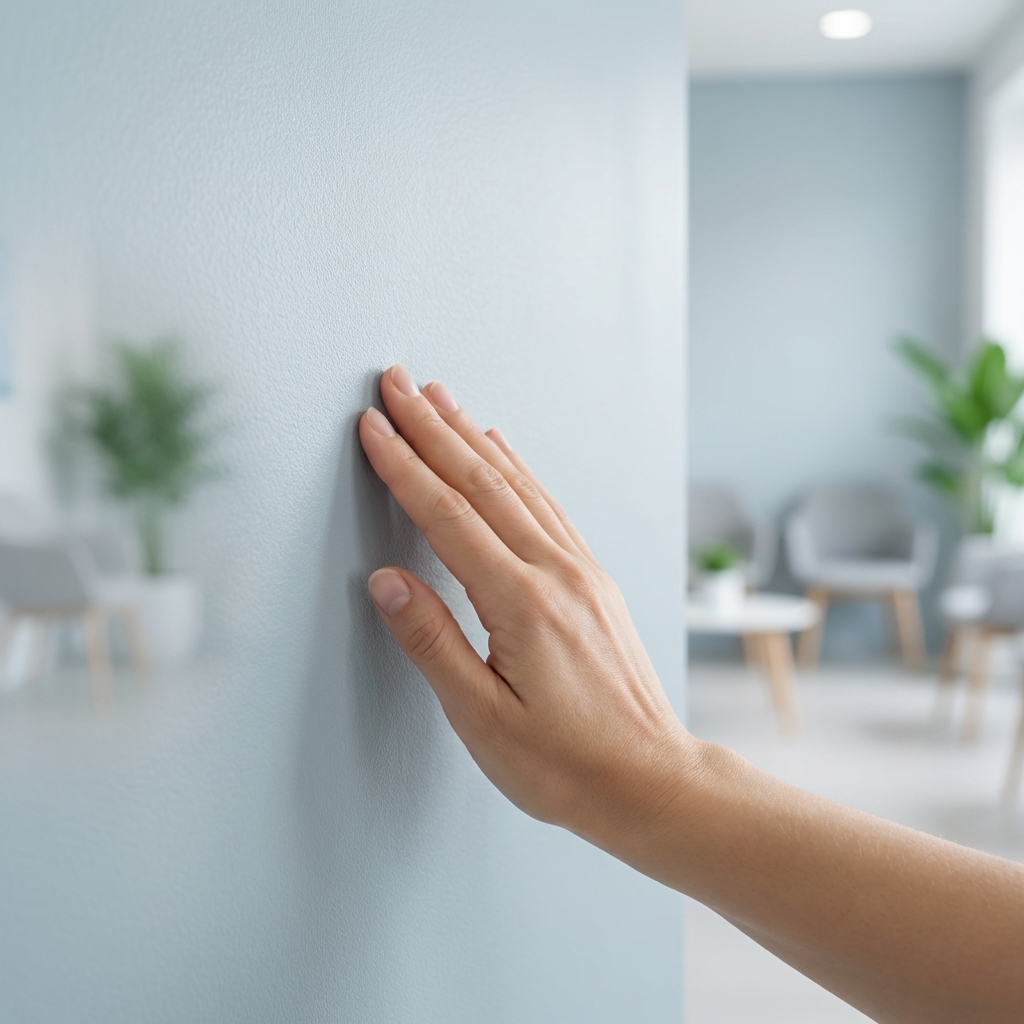
EastCoast MuralPros brings these hospital infection control solutions to life with rapid, low-disruption installs typically completed in under five hours, minimizing downtime and dust. Their system delivers durable interior branding and instructional content at architectural scale, with consistent execution across multi-location portfolios. For facilities teams evaluating vinyl wallpaper alternatives, this adhesive-free approach improves hygiene compliance, simplifies cleaning routines, and extends lifecycle performance—without sacrificing high-resolution detail or schedule certainty.
Long-Term Durability and Maintenance Lifecycle in Healthcare and Institutional Settings
In hospitals, schools, and public institutions, the true cost of wall graphics is measured over years of cleaning cycles, cart impacts, and layout changes. Direct-to-wall printing technology forms a durable image layer directly on the prepared substrate, eliminating vinyl, adhesives, and seams that often fail first. With fewer weak points, these surfaces better withstand routine disinfecting and abrasion in corridors, nurse stations, waiting rooms, and cafeterias. The result is seamless wall printing that looks architectural, not applied.
Clinical cleaning is where performance differences compound. Vinyl seams and edge caps can trap soil or lift under repeated exposure to quats, bleach, and peroxide-based products. A smooth, seam-free, non-embossed print surface supports commercial wall graphics cleanability and consistent wipe-downs that align with hospital infection control solutions without introducing maintenance headaches.
- Compatible with common disinfectants: disinfectant wipes, quaternary ammonium sprays, diluted bleach, and 70% isopropyl alcohol (per facility SOPs)
- Resists bubbling, edge lift, and plasticizer migration associated with vinyl wallpaper alternatives
- Non-porous finish enables daily wipe-downs with microfiber and neutral cleaners; no steam or harsh scraping required
- Minimal moisture intrusion risk because there’s no adhesive layer behind the graphic
- High abrasion resistance for carts and backpacks; scuffs typically remove with standard cleaners
- Paint-over-ready surface simplifies tenant or program changes without demo, landfill, or extended shutdowns
The maintenance lifecycle is straightforward: schedule routine cleaning as you would for painted walls, inspect high-traffic zones during normal rounds, and touch up paint at end-of-life if a refresh is needed. Compared to vinyl, there are no seam rolls, patch kits, or recurring edge repairs, and no need to re-spec materials when disinfectant brands change. For example, a pediatric corridor can be refreshed overnight, with installation often completed in under five hours per zone, and returned to service by morning rounds.
Total cost of ownership trends lower because there are fewer replacements, fewer emergency work orders, and no tear-out waste. This makes direct-to-wall printing technology a durable interior branding platform that scales across campuses and multi-location portfolios. EastCoast MuralPros delivers consistent execution for healthcare systems and universities, with on-site printing that avoids shipping delays and a subscription model for planned refreshes. If you’re evaluating vinyl wallpaper alternatives, this approach aligns durability, cleanability, and schedule certainty at enterprise scale.
Conclusion: Prioritizing Hygiene and Longevity in Commercial Interior Branding
In healthcare, education, and workplace settings, direct-to-wall printing technology advances hygiene and longevity. By eliminating seams, vinyl layers, and pressure-sensitive adhesives, it removes common harborage points for dirt and moisture while avoiding the peeling and bubbling that compromise cleaning. Smooth, integrated imagery supports consistent wipe-downs under hospital infection control solutions with approved disinfectants.
Operationally, it minimizes downtime through on-site, low-disruption installs often finished in under five hours. Because graphics are printed onto existing substrates, end of life is simple—no panel removal or glue scraping, just paint-over-ready surfaces—improving lifecycle cost control. The result is durable interior branding that looks purpose-built into the architecture.
Consider a pediatric unit needing cheerful wayfinding on CMU block and drywall: seamless wall printing carries crisp, photoreal elements across both without joints that trap grime. In outpatient corridors with daily clean cycles, an adhesive-free print avoids lifted edges where carts and handrails contact walls. Museums and academic lobbies gain large-scale visuals with commercial wall graphics cleanability, handling heavy traffic without adding signage clutter.
For teams comparing vinyl wallpaper alternatives, prioritize solutions that offer:
- Seam-free, adhesive-free application with proven cleanability and abrasion resistance
- Compatibility with drywall, CMU, concrete, and brick, finished or unfinished
- Documentation aligned to hospital infection control solutions and routine disinfectant use
- Consistent execution across multi-location rollouts
- On-site production to eliminate shipping delays and fabrication errors
- Paint-over-ready end of life and subscription refresh options
EastCoast MuralPros delivers this approach at scale, combining direct-to-wall printing technology with durable, cleanable finishes and integrated wayfinding for campuses, hospitals, and workplaces. Their seam-free wall graphics install quickly, align with facilities protocols, and provide a performance-based alternative to wallpaper and vinyl. For organizations seeking dependable, hygienic visuals, it’s a practical path to long-term aesthetic and operational value.
Call to Action
Contact us to learn more